
How to Choose a Walking Cane That Fits Your Life
A walking cane is something you may handle hundreds of times a day. Its length, grip and construction deserve as much attention as its appearance. A beautiful handle can catch your eye, but the right choice also needs to suit your hand, your measurements and the way you intend to use it.
Start with the job you need the cane to do, then compare the practical details before choosing a finish or design. This guide takes you through that decision in order, whether you are selecting your first cane, replacing an existing one or buying a gift.
Your Quick Buying Checklist
- Confirm that the type of cane is appropriate for your intended use.
- Choose a handle that suits your hand and preferred grip.
- Establish the correct length before ordering.
- Compare the complete cane's materials, weight and construction.
- Check its tip, manufacturer specifications and available options.
- Choose the design and finish you will enjoy carrying.
1. Start with Intended Use
Before comparing carvings or colors, ask what you expect from the cane. Someone choosing a decorative stick for a collection has different priorities from someone who plans to use a cane regularly for balance assistance.
If you have been prescribed a walking aid, follow the advice you were given about its type and fitting. If you are unsure whether a single-point cane is appropriate, seek an assessment from a qualified healthcare professional before choosing a decorative model.
The NHS notes that a walking frame provides more support than a walking stick. A cane's appearance or advertised capacity cannot decide which kind of aid is right for an individual.
For the handcrafted canes discussed here, intended use matters particularly: our walking canes are designed for balance assistance and light support. They are not intended to replace medically prescribed devices designed for substantial or full body-weight support.
This article focuses on buying decisions. For a fuller discussion of use and technique, see our guide to choosing and using a cane for balance.
Think About an Ordinary Day
Consider where you will carry the cane, how often you expect to use it and where it will be stored. A large sculptural handle might be appealing in a display cabinet but awkward in a tightly packed bag. An adjustable model may be worth considering when changing length is important; a custom-length wooden cane may appeal when your preferred measurement is already established.
List the features you need before browsing. That short list makes it easier to rule out an attractive design that does not suit your practical requirements.

2. Choose the Handle Before the Decoration
The handle is your main point of contact with the cane. Product names can describe a general style, but they do not tell you everything about its size, contours or holding surface.
Compare Common Cane Handle Shapes
| Handle style | What to look at | Check before buying |
|---|---|---|
| Derby, Fritz or curved grip | The usable grip length, thickness and underside curve. | Will your fingers fit around the grip without being crowded by the ends? |
| Rounded knob | The knob's diameter and the surface beneath your palm. | Does the actual size suit your hand? A round appearance alone does not establish fit. |
| Palm grip or contoured handle | The palm-resting area and any finger contours. | Is it left-handed, right-handed or suitable for either hand? |
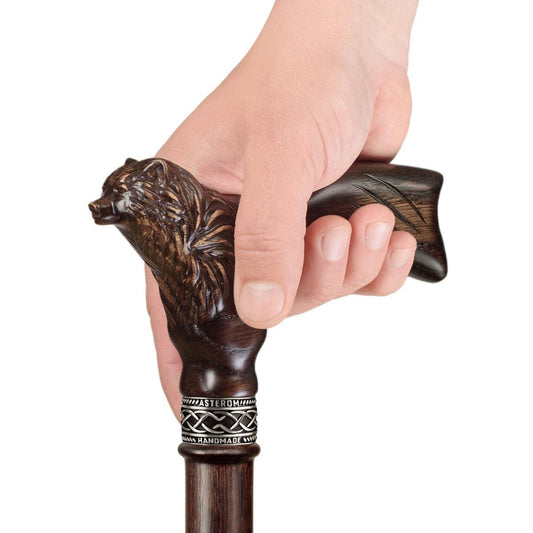
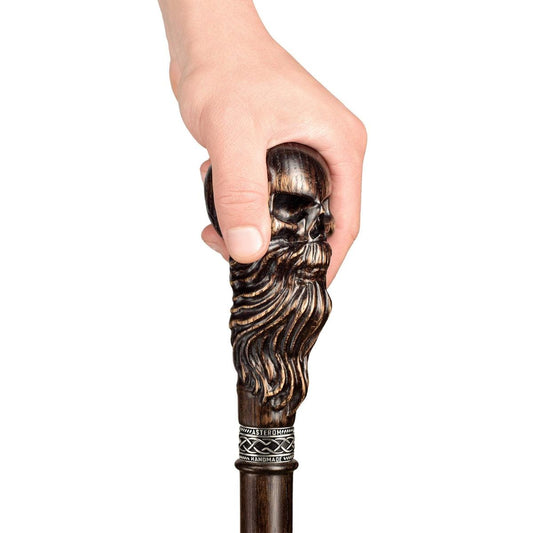
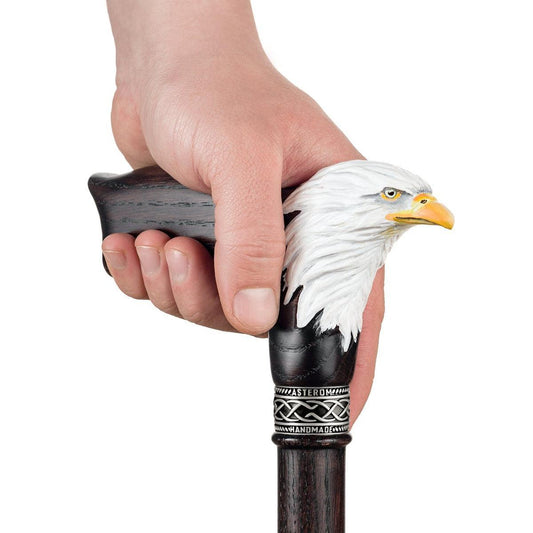
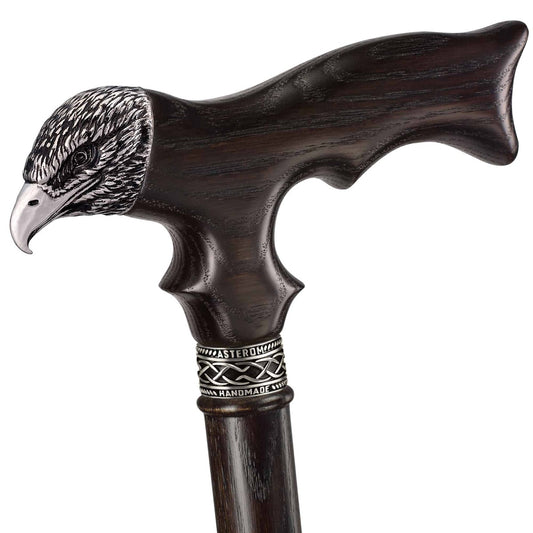
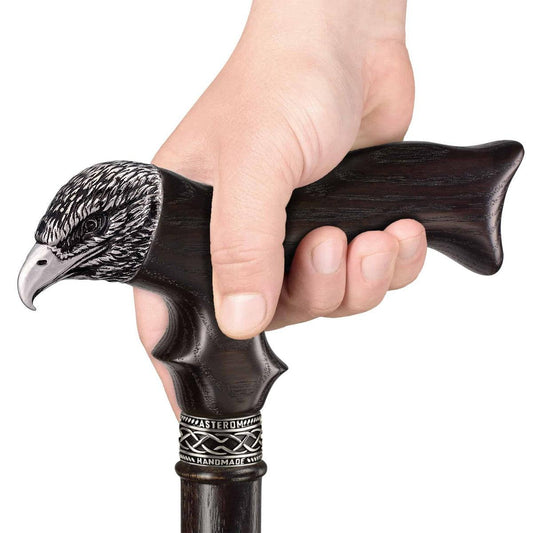
| Animal head or sculptural handle | Where the decoration ends and the holding surface begins. | Will projecting features interfere with your preferred grip? Check side and underside photographs. |
Derby, Fritz and Other Curved Grips
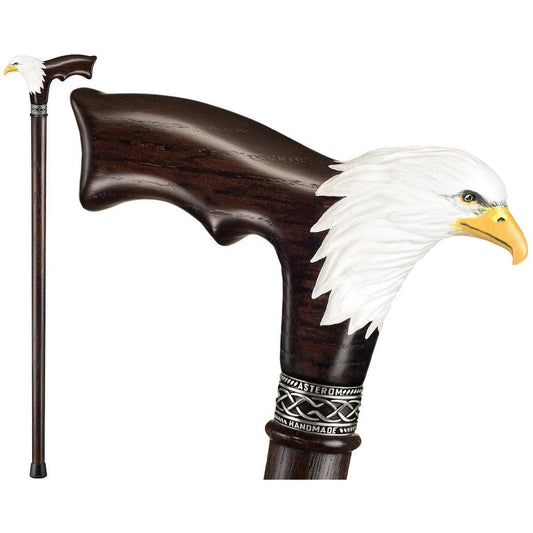
Curved grips provide a defined area for the hand, although their shapes vary between makers and models. Compare the usable grip length, thickness and underside contours. A shape described as ergonomic is still a shape you need to assess for your own hand.
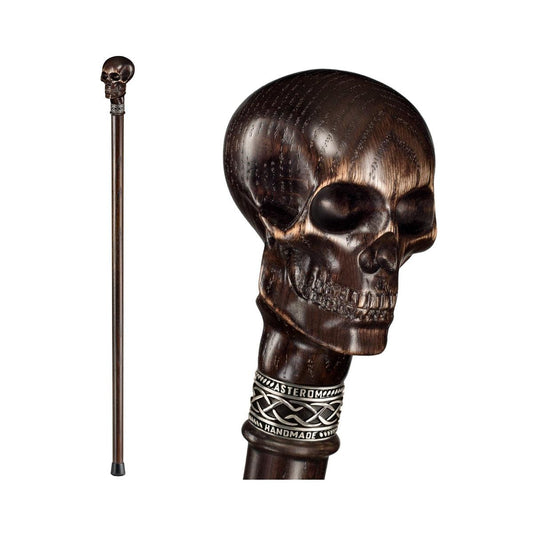
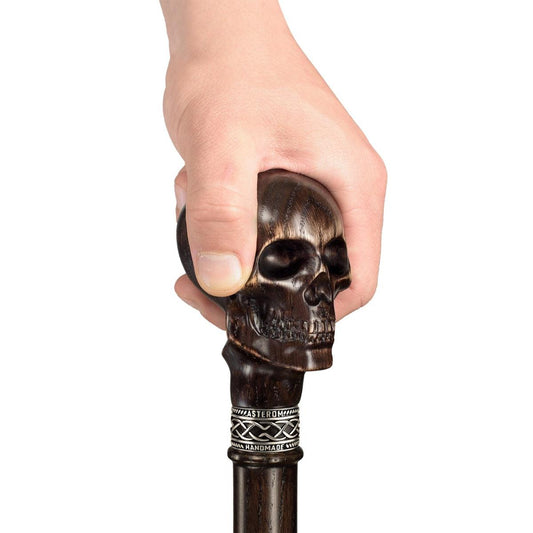
Knob Handles
A knob creates a rounded profile that can be simple or highly decorative. Look at the actual diameter and the surface your palm will contact. Two knob handles can differ considerably even when both look round in a front-facing photograph.
Palm Grips and Contoured Handles
Some handles provide a broader or more specifically shaped resting area. Check whether the design is intended for the left hand, right hand or either hand. A hand-specific grip should not be chosen by appearance alone.
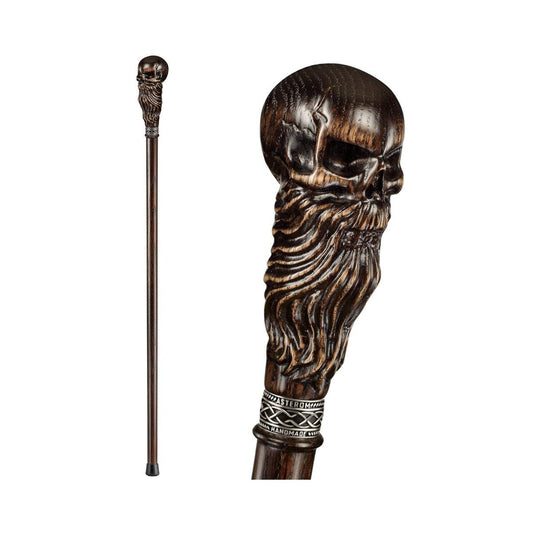
Animal Heads and Sculptural Designs
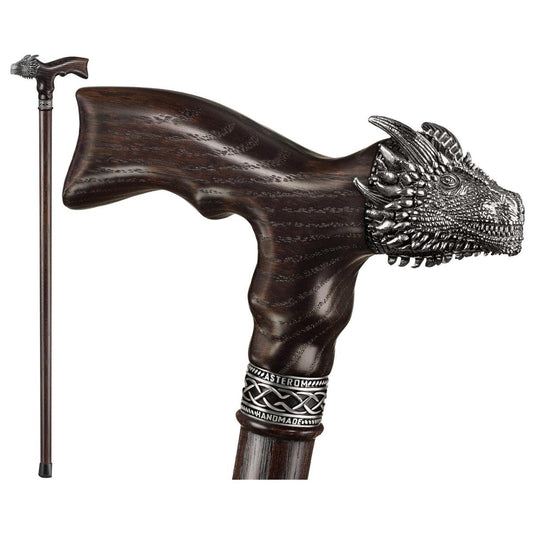
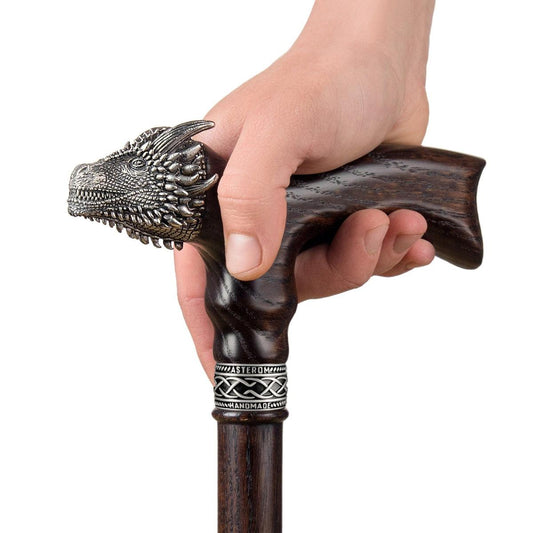
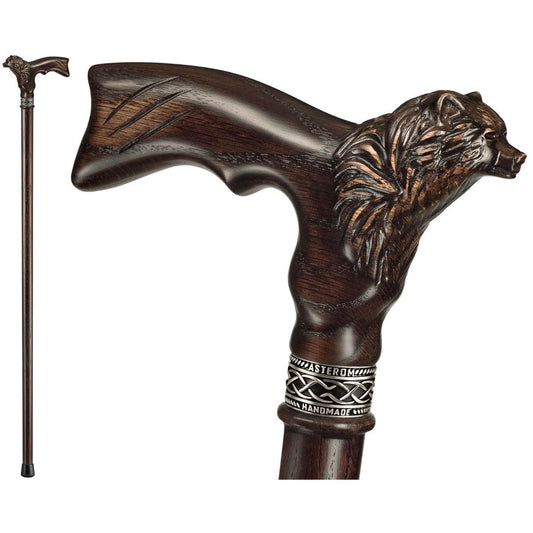
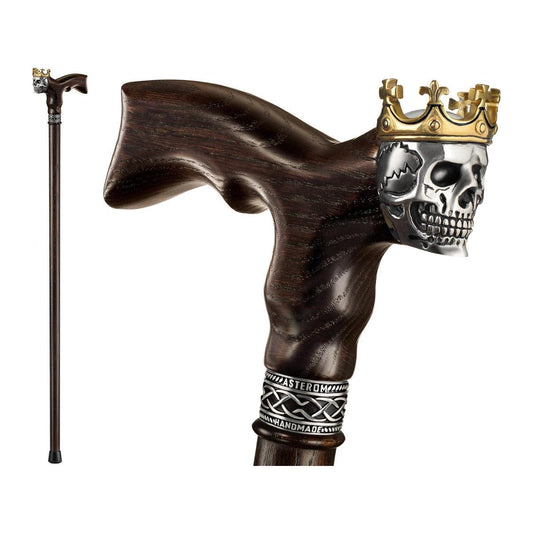
On a sculptural handle, distinguish the decoration from the part you hold. A muzzle, crown or horn may sit beyond the grip, while the palm rests on a smoother wooden section. Other designs place the sculpture directly beneath the hand.
Review side and underside photographs as well as the main product image. If you cannot see the holding surface or find its dimensions, ask for clarification. There is no need to guess simply because the artwork appeals to you.
Mayo Clinic recommends choosing a comfortable grip and notes that hand or finger pain or numbness can indicate a poor fit. A healthcare professional can help if gripping is difficult.
Our replacement walking cane handles illustrate the variety of available shapes. They are handle-only products for compatible connections, not universal fittings or a substitute for choosing a correctly assembled cane.
3. Establish Your Cane Length
Do not select length solely from your overall height or a label such as men's or women's. People of the same height can have different arm lengths and proportions.
A common fitting reference is the wrist crease with the arm relaxed at the side; the elbow should retain a slight bend when holding the cane. Wear your usual walking shoes when measuring, and follow any individual fitting advice you have been given.
With a decorative handle, establish where the hand actually rests. The highest point of a crown, animal ear or other ornament is not necessarily the relevant measuring point.
Use our walking cane measuring guide and size calculator for the full process. A height-based calculation is a starting estimate, not a replacement for an individual measurement or fitting assessment.
Fixed, Custom-Length or Adjustable?
- Fixed length: Confirm the finished measurement and whether any alteration is permitted before buying.
- Custom length: Check how the seller defines its measurement, which increments are offered and whether the tip is included in the finished length.
- Adjustable: Check the actual adjustment range and increments. Follow the manufacturer's instructions for securing the setting.
Do not assume every wooden cane can be shortened at home or that every adjustable model reaches the measurement you need. Ask before altering a product, particularly where the finish, fittings or guarantee could be affected.

4. Compare Materials and the Complete Cane's Weight
A material name tells only part of the story. Look separately at the shaft, handle and decorative components, then check the complete product's weight where provided.
Wooden Canes
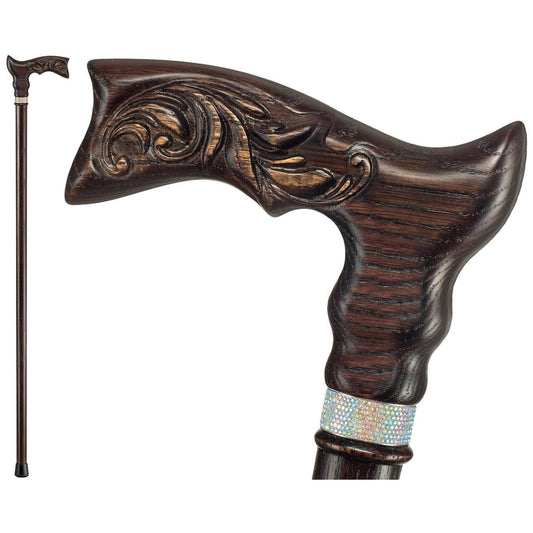
Wood offers visible grain and a range of finishes, from understated stains to carved and painted designs. Different woods and constructions can produce different weights and proportions. A solid-oak shaft should not be assumed to have the same specifications as a beechwood shaft.
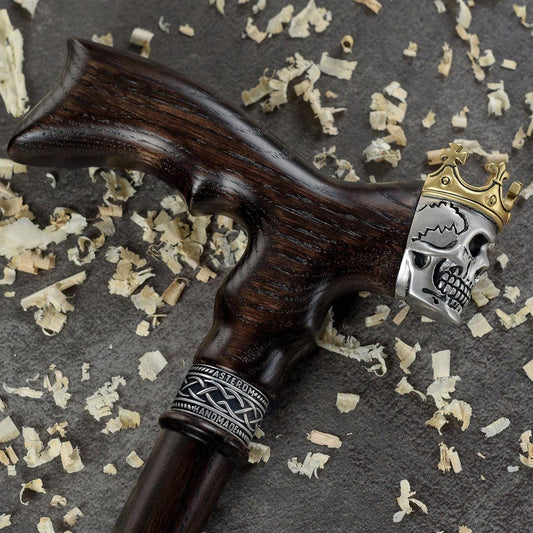
Expect some natural variation in grain and stain. Photographs show an example of the finish, rather than a promise that every piece of wood will have an identical pattern.
Metal and Pewter Handles
A pewter or other metal sculpture may be paired with a wooden shaft or mounted on a wooden grip. Check which component the material description refers to: a metal head does not mean an entirely metal cane.
A large decorative handle may also change how the cane feels when lifted. Compare the listed total weight and ask about dimensions rather than judging heft from a close-up photograph.
Carbon Fiber and Other Modern Constructions
If considering carbon fiber or an adjustable metal model, compare the finished item rather than assuming the material automatically makes it the best choice. The handle, joints, adjustment system, tip and total weight still matter.
A material associated with lightweight equipment does not establish the weight or suitability of every product made with it. Use the specifications for the exact model under consideration.
5. Read Capacity and Construction Claims Carefully
A manufacturer-stated capacity is a specification for a particular product used as intended. It is not permission to put that amount of force through the handle, proof of medical suitability or a guarantee against falls.
Check the stated rating for the exact model. Do not transfer a rating from another cane by the same seller, from an oak design to a pewter-handled design, or from a complete cane to a replacement handle.
Also review what is supplied and how the cane is assembled. Reinforcement hardware, detachable sections, collars and connecting screws can differ between products. A description should identify the construction rather than rely only on words such as strong or premium.
For a replacement handle, matching a screw's diameter is only one part of compatibility. Thread details, engagement and the way the handle meets the shaft must also be suitable.
6. Check the Tip and Future Maintenance
The tip is a replaceable component worth considering before purchase. Check its type, fitting size and whether replacements are available. A broader tip should not be assumed to provide the same function as a purpose-designed multi-point walking aid.
Mayo Clinic advises checking rubber tips and replacing them when the tread is worn or the material has become stiff. No tip guarantees grip on every surface.
When comparing replacement rubber cane tips, distinguish the shaft-fitting diameter from the width of the base. Changing tip design can also alter the finished cane height, so recheck the fit after replacement.
For the rest of the cane, follow its care instructions and inspect the handle connection and shaft for damage. Confirm whether the finish has specific care requirements before applying cleaners, oils or polish.
7. Choose a Style You Will Enjoy Carrying
Once the practical requirements are settled, the design becomes an enjoyable part of the decision. You might prefer visible wood grain, an animal that has personal meaning, a classic curved grip or an unconventional sculpture.
Consider the cane beside your usual clothing rather than only as an isolated product photograph. A dramatic handle can work with a simple outfit, while a quiet wooden finish may suit someone who wants the accessory to blend in.
At StickYourCane, you can explore our walking canes for men or walking canes for women as browsing starting points. These labels do not determine fit: your measurements and preferred grip matter more.
If you want something more expressive, the cool walking canes collection brings together animal, fantasy and statement designs. Choose the theme because it appeals to you, then return to the individual specifications before ordering.

8. Compare Value Before Choosing by Price
Think about what the price includes. Materials, carving, painted detail, customization and production methods may all contribute to cost, but a higher price alone does not establish a better fit or more appropriate support.
Read the delivery estimate, guarantee and returns terms for the exact item, including any conditions applying to custom orders. Confirm whether accessories are included and whether import charges could affect the total cost.
Ask any unresolved questions before ordering. A useful answer about grip dimensions or finished length can matter more than a general claim about quality.
A Shortlist You Can Actually Compare
Choose two or three suitable candidates and write down their finished length, handle dimensions, total weight, materials, stated capacity, tip type and ordering terms. Blank information is a question to resolve, not a reason to assume the products are equivalent.
Once those details meet your requirements, choose between them on design and finish. For selected examples of decorative craftsmanship, our luxury walking cane guide offers another way to compare styles.
Buying a Walking Cane as a Gift
A cane can be a personal gift, but the recipient's preferred grip and finished length should come before a surprise design. Ask about an existing cane that fits well, or involve the recipient in choosing between a few appropriate options.
Do not select a new walking aid for someone purely because of their age or assume they need one. For a collector, clarify whether the piece is intended for display or use; for someone with prescribed support requirements, follow those requirements.
Frequently Asked Questions
What should I choose first: size, handle or style?
Start with appropriate intended use. Then establish the required length and suitable grip before making a final choice on decoration. You can browse styles early, but they should not override fit.
Is a wooden cane better than a metal or carbon-fiber cane?
There is no universal winner. Compare the complete products: grip, weight, construction, size range and intended use. Material alone cannot decide which one suits you.
Does a large knob automatically make a comfortable grip?
No. Its dimensions, surface and relationship to your hand matter. If possible, compare a similar shape in person; otherwise ask for the measurements and clear photographs of the holding surface.
Do men and women need different types of cane?
A collection label does not determine the appropriate handle or length. Choose from your own measurements, hand preference and intended use.
Can I change the handle later?
Only where the cane is designed for a replaceable handle and the replacement connection is compatible. Do not assume every handle unscrews or that matching screw diameter establishes a suitable fit.
How do I know whether I need more support than a cane offers?
Do not decide from product photographs or a capacity figure. If you are uncertain about the appropriate walking aid, seek an individual assessment from a qualified healthcare professional.
Make the Final Choice with the Practical Details Settled
The right walking cane brings together an appropriate purpose, a suitable grip, the correct length and a design you want to carry. You do not have to abandon personal taste, but it works best when the practical questions have already been answered.
Measure first, compare the exact specifications and ask about anything unclear. Then choose the carving, material and finish that make the cane feel like your own.
Sources and Further Reading
- Mayo Clinic: Tips for Choosing and Using Canes — grip, fitting and tip checks.
- NHS: Walking Aids, Wheelchairs and Mobility Scooters — choosing an appropriate aid and obtaining advice.