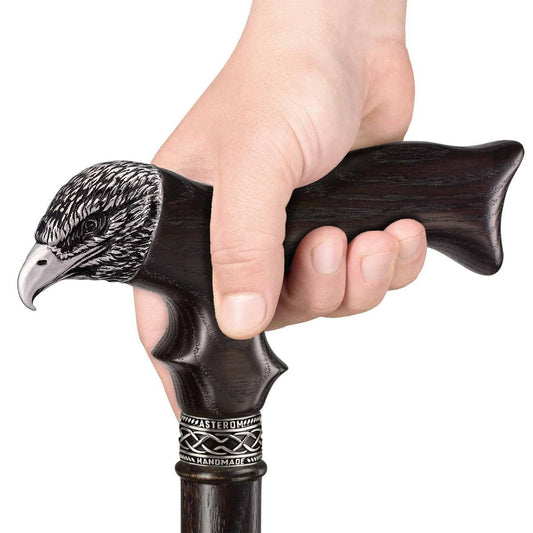

Balance is something most of us take for granted—until it begins to change. Whether it's caused by aging, arthritis, recovering from surgery, an inner ear condition, or simply feeling less steady than you once did, losing confidence in your balance can affect nearly every part of daily life. Walking across a parking lot, climbing a curb, navigating uneven trails, or even moving around your own home can suddenly require more thought and caution than ever before.
For many people, a walking cane becomes one of the simplest and most effective tools for restoring that confidence. Far from being a symbol of weakness, a properly fitted cane provides an additional point of contact with the ground, helping improve stability, reduce the risk of falls, and make everyday movement feel more secure. In many cases, using a cane early—before a serious fall occurs—can help people remain active and independent for much longer.
Yet choosing and using a cane isn't always as straightforward as it seems. Readers who are still deciding between the two may find our guide to walking sticks vs. canes helpful. Questions such as Which cane is best for balance?, Should I hold it on my stronger or weaker side?, How tall should it be?, and Will using a cane make me dependent on it? are among the most common concerns people have. Unfortunately, much of the information available online only scratches the surface, leaving readers without the practical guidance they need to make informed decisions.
This guide brings together the science behind balance, practical advice on selecting and using a walking cane, common mistakes to avoid, and tips for staying steady in everyday situations. Whether you're considering your first cane, helping a family member remain independent, or simply looking for ways to improve your stability, you'll find clear, evidence-based information designed to help you walk with greater confidence and peace of mind.
By the end of this guide, you'll understand how a walking cane improves balance, how to choose the right style for your needs, how to use it correctly, and when additional mobility support may be appropriate. Most importantly, you'll see that the right cane is not just a mobility aid—it can be an investment in maintaining an active, independent lifestyle.
Inside This Guide
- Understanding How Your Body Maintains Balance
- How a Walking Cane Improves Balance
- Who Benefits Most From Using a Walking Cane?
- Choosing the Right Walking Cane for Better Balance
- How to Choose the Correct Walking Cane Height
- How to Walk Correctly With a Walking Cane
- Common Walking Cane Mistakes (and How to Avoid Them)
- Walking Safely on Different Surfaces
- Simple Exercises to Improve Balance and Confidence
- Caring for Your Walking Cane
- When a Walking Cane Isn't Enough
- Conclusion
- Frequently Asked Questions
Understanding How Your Body Maintains Balance
Most people never think about their balance until something begins to change. Standing, walking, turning, or stepping over an obstacle feels automatic because your body performs these tasks without conscious effort. In reality, however, maintaining balance is one of the most sophisticated processes your body carries out, relying on multiple systems that work together every second you're on your feet.
Your brain is constantly collecting information from throughout your body and comparing it with what it expects to happen next. As you walk, thousands of tiny adjustments are made almost instantly to keep your centre of gravity over your feet. These corrections are so fast and precise that healthy balance feels effortless—even though an incredible amount of work is happening behind the scenes.
When one of these systems becomes less reliable—whether because of aging, arthritis, an injury, medication, poor vision, or a medical condition—the brain receives less accurate information. The result may be slower reactions, reduced stability, and an increased risk of stumbling or falling. Understanding how these systems work together makes it much easier to understand why a walking cane can be such an effective mobility aid.

The body maintains balance by combining information from five key systems: vision, the vestibular system, muscles and joints, sensory nerves, and the brain. Together, they make thousands of rapid adjustments every day to help you stay upright and move safely.
The Five Systems That Keep You Upright
Good balance depends on far more than strong legs. Every step you take is controlled by five primary systems, each contributing important information that allows your brain to keep you stable.
- Vision: Your eyes monitor the environment ahead, helping you judge distance, identify obstacles, recognize changes in terrain, and maintain your orientation while moving.
- The Vestibular System: Located inside the inner ear, this remarkable system senses head movement, acceleration, and body position. It allows you to stay balanced even when your eyes aren't focused on the ground.
- Muscles and Joints: The muscles in your feet, ankles, legs, hips, and core constantly make tiny adjustments to maintain posture, while your joints provide feedback about your body's position.
- Sensory Nerves: Nerves in your feet and legs detect pressure, texture, vibration, and weight distribution. Conditions such as peripheral neuropathy can reduce this feedback, making balance more difficult.
- The Brain: Your brain acts as the command centre, combining information from all of these systems and sending rapid instructions back to your muscles to keep you upright with every step.
If any one of these systems becomes less effective, the others often compensate. This is why someone may begin walking more slowly, take shorter steps, widen their stance, or instinctively reach for nearby furniture. These are natural adaptations designed to improve stability, but they can also signal that additional support may be beneficial.
Your body makes thousands of tiny balance corrections every day without you ever noticing. Most happen automatically in fractions of a second. Many people don't realize how much these systems are doing until one begins to weaken, making everyday activities feel less steady than they once did.
How a Walking Cane Improves Balance
At first glance, a walking cane seems like a simple tool. In reality, it works by improving the body's stability in several important ways. Rather than replacing your natural balance, a properly fitted cane supports the systems discussed in the previous section, helping you move with greater confidence while reducing the likelihood of losing your footing.
The most obvious benefit is that a cane creates a third point of contact with the ground. Instead of relying entirely on your two feet, your body forms a wider and more stable base of support. This extra point of contact makes it easier to maintain your balance while walking, turning, standing from a chair, or navigating uneven terrain.

A properly fitted walking cane improves balance by creating a wider base of support, providing additional sensory feedback, reducing stress on painful joints, and helping people walk with greater confidence and stability.
A Wider Base Means Greater Stability
Imagine trying to balance on one foot compared with standing on both feet. The larger your base of support, the easier it is to stay upright. A walking cane extends that base even further by creating a triangle between your two feet and the cane. Because your weight is distributed across three contact points instead of two, small shifts in balance become much easier to control.
This increased stability is especially noticeable when walking over uneven sidewalks, gravel paths, grassy areas, ramps, or other surfaces where footing may be less predictable.
Improved Sensory Feedback
A cane also provides valuable sensory information. Every time the tip touches the ground, it sends subtle feedback through the shaft into your hand and arm. Your brain uses this information to better judge the surface beneath you, helping you react more quickly to changes in terrain or unexpected obstacles.
For people whose feet provide reduced sensation—such as those living with peripheral neuropathy—this additional feedback can become particularly valuable because it supplements information their body may no longer detect as effectively.
Reduced Load on Painful Joints
Many people associate canes only with balance, but they also reduce stress on painful joints. When used correctly, a cane transfers a portion of your body weight through your arm, reducing the load placed on the hips, knees, ankles, and feet. This can make walking more comfortable while also improving stability because pain is less likely to alter your natural gait.
The amount of weight transferred depends on the individual and how the cane is used, but even a modest reduction can make a noticeable difference during longer walks or periods of standing.
Greater Confidence Leads to Better Walking
Balance isn't purely physical—it also has a psychological component. After a fall or even a close call, many people naturally become more cautious. They shorten their stride, walk more slowly, and focus intensely on every step. While understandable, this hesitation can actually make walking feel less natural and sometimes less stable.
A properly fitted walking cane often restores confidence by providing reassurance with every step. Feeling more secure encourages smoother, more relaxed movement, allowing many people to walk with a more natural rhythm instead of constantly worrying about falling.
A walking cane improves balance in four important ways: it widens your base of support, provides additional sensory feedback, reduces stress on painful joints, and increases confidence while walking. Together, these benefits can help reduce the risk of falls and make everyday movement feel safer and more comfortable.
Who Benefits Most From Using a Walking Cane?
Walking canes are often associated with older adults, but balance challenges can affect people of almost any age. An injury, surgery, neurological condition, arthritis, or even temporary weakness can make walking less stable than it once was. In these situations, a properly fitted cane can provide additional support while helping people remain active and independent.
One of the biggest misconceptions is that you should wait until you've already experienced a serious fall before using a cane. In reality, many healthcare professionals encourage people to begin using one as soon as they notice changes in their balance or confidence. Preventing a fall is always preferable to recovering from one.

A walking cane can benefit people of many ages and lifestyles—not just older adults. Whether recovering from surgery, managing arthritis, living with a balance disorder, or simply feeling less steady, the right cane can improve stability, confidence, and independence.
Common Reasons People Begin Using a Cane
While every situation is unique, some of the most common reasons people choose to use a walking cane include:
- Age-related balance changes: Natural changes in strength, flexibility, reaction time, and vision can gradually make walking less steady.
- Arthritis: Pain and stiffness in the hips, knees, ankles, or feet can affect both comfort and stability while walking.
- Recovery from surgery or injury: A cane can provide temporary support while strength, mobility, and confidence return.
- Neurological conditions: Certain neurological disorders may affect coordination, muscle control, or balance, making additional support beneficial.
- Peripheral neuropathy: Reduced sensation in the feet can make it more difficult to judge foot placement and maintain balance.
- Vestibular (inner ear) disorders: Conditions affecting the body's balance system may increase unsteadiness, particularly during movement.
- Reduced confidence after a fall: Even when no physical injury remains, fear of falling again can alter the way a person walks and reduce their willingness to stay active.
Signs That You May Benefit From a Walking Cane
You don't need to be falling regularly before considering a cane. In many cases, subtle changes appear long before an actual fall occurs.
You may benefit from using a cane if you:
- Frequently reach for walls, furniture, or railings while walking.
- Feel unsteady on uneven ground or while walking outdoors.
- Walk more slowly because you don't feel as confident as you once did.
- Avoid certain activities because you're worried about losing your balance.
- Notice increased pain in one leg, hip, knee, or ankle while walking.
- Have experienced one or more recent falls or near falls.
Using a Cane Is About Staying Independent
Many people delay using a cane because they worry about what others might think. Unfortunately, waiting too long often means giving up activities they enjoy because walking has become uncomfortable or unpredictable.
A walking cane should be viewed as a tool that helps you continue doing the things you love—not something that limits you. Whether it's enjoying a walk through the neighbourhood, travelling, attending social events, or simply moving around your home with greater confidence, the right cane can help you remain active while reducing unnecessary risk.
Many falls happen after weeks or months of feeling "just a little unsteady." If you're already changing the way you walk, avoiding certain places, or reaching for support more often, it may be time to consider a walking cane before a fall occurs.
Choosing the Right Walking Cane for Better Balance
Not all walking canes are designed for the same purpose. While almost any properly fitted cane can provide additional stability, the best choice depends on why you need one, where you'll be using it, and how much support you require. A cane that works well for occasional walks through the neighbourhood may not be the best option for someone recovering from surgery or dealing with significant balance challenges.
Before choosing a cane, consider how you'll use it most often. Will it mainly be used indoors? On sidewalks and paved trails? While travelling? Or do you need something that can handle uneven ground, gravel paths, and outdoor adventures? Matching the cane to your lifestyle is just as important as choosing the correct height.

Choosing the right walking cane involves more than selecting a style. The correct handle, height, material, weight, tip, and overall design all work together to provide greater comfort, stability, safety, and confidence.
Single-Point Canes
The traditional single-point cane is the most common style and the one most people picture when they think of a walking cane. It provides light to moderate support while remaining lightweight, easy to carry, and comfortable for everyday use. For people whose primary goal is improving balance and confidence while walking, a single-point cane is often the best choice.
Quad Canes
Quad canes feature four small feet instead of a single rubber tip, creating a much wider base of support. They provide greater stability for people who require more assistance with standing or walking slowly, particularly during rehabilitation or after certain medical conditions. The trade-off is that quad canes are heavier, slower to use, and less convenient on stairs or uneven terrain.
Folding Canes
Folding canes are designed for convenience. They collapse into several sections, making them easy to store in luggage, backpacks, or vehicle compartments. While many modern folding canes are surprisingly sturdy, they are generally best suited for occasional use or travel rather than constant daily support.
Offset and Ergonomic Handles
The handle plays an important role in comfort. Offset handles place the user's weight more directly over the shaft, making them popular for people who need additional weight-bearing support. Ergonomic handles are shaped to fit the hand more naturally, helping reduce fatigue during longer periods of walking.
Traditional derby and crook handles remain popular because they are comfortable to hold, easy to hang over an arm or chair, and often offer a timeless appearance that many people appreciate. You can compare these and other options in our collection of walking cane handles.
Which Cane Is Best for Balance?
For most people experiencing mild to moderate balance difficulties, a properly fitted single-point cane with a comfortable handle and high-quality rubber tip provides an excellent combination of stability, comfort, and manoeuvrability. Those requiring greater support because of weakness, neurological conditions, or recent surgery may benefit from a quad cane, although this should ideally be discussed with a healthcare professional.
Remember that the best walking cane is not necessarily the one that provides the most support—it's the one that offers the right amount of support while allowing you to walk naturally, comfortably, and confidently.
Don't choose a cane based solely on appearance. The correct height, a comfortable handle, a quality rubber tip, and a style suited to your level of support will have a much greater impact on your comfort, stability, and confidence than the material or finish alone.
How to Choose the Correct Walking Cane Height
Even the highest-quality walking cane won't perform as intended if it's the wrong height. A cane that's too short forces you to lean forward, while one that's too tall can lift your shoulder unnaturally and reduce stability. In either case, an improperly fitted cane may actually increase fatigue and place unnecessary strain on your wrist, elbow, shoulder, or back.
Fortunately, choosing the correct height is easier than many people expect. A few simple measurements can ensure your cane supports your natural posture and allows you to walk comfortably.

A properly fitted walking cane should allow your arm to hang naturally with a slight bend in the elbow while the handle aligns with the crease of your wrist. Choosing the correct height improves posture, comfort, balance, and walking confidence.
The Simple Measurement Method
The easiest way to determine the correct cane height is while standing upright in your normal walking shoes with your arms relaxed naturally at your sides.
The top of the cane should align with the crease of your wrist where your hand meets your forearm. When you grasp the handle, your elbow should bend naturally by approximately 15 to 20 degrees. This slight bend allows your arm to absorb movement comfortably while maintaining good posture.
If you're purchasing a fixed-length cane, measuring from the floor to your wrist crease provides a good starting point. Our complete guide explains how to measure for a walking cane before ordering. Adjustable canes make fine-tuning much easier and are especially useful if you're unsure of your ideal height.
Why Proper Height Matters
A properly fitted cane allows you to walk with your shoulders level, your back upright, and your arm relaxed. Your weight is transferred naturally through the cane without forcing awkward body positions.
When the cane is too short, people often lean toward it, placing additional stress on the wrist, shoulder, and lower back. Over time, this can create discomfort while reducing the cane's effectiveness.
When the cane is too tall, the shoulder remains elevated and the elbow bends excessively. This can make walking feel awkward and may reduce your ability to place the cane naturally with each step.
Should You Measure Yourself?
While many people successfully measure themselves at home, it's important to remember that posture, footwear, and medical conditions can all influence the ideal height. If you have significant mobility issues, severe arthritis, or complex medical needs, a physiotherapist or occupational therapist can help ensure your cane is fitted correctly.
For most people, however, using the wrist-crease method provides an excellent fit that allows comfortable, efficient walking during everyday activities.
Stand naturally while wearing the shoes you normally walk in. Place the cane beside your foot. If the top of the handle lines up with the crease of your wrist and your elbow bends slightly when holding it, you're very close to the correct height.
How to Walk Correctly With a Walking Cane
Owning the right walking cane is only part of the equation. Using it correctly allows you to gain the greatest benefit in terms of balance, comfort, and confidence. Fortunately, the proper technique is easy to learn, and after a short time it usually becomes second nature.
One of the most common mistakes new cane users make is assuming the cane should be held on the weaker or more painful side. While that may seem logical, the opposite is usually true.

Using a walking cane correctly improves balance, reduces joint strain, and helps prevent falls. Proper cane height, hand placement, walking technique, and safe navigation of stairs and uneven surfaces all contribute to greater stability and confidence.
Which Hand Should Hold the Cane?
For most people, the cane should be held in the hand opposite the weaker, injured, or more painful leg. For example, if your left knee is painful, hold the cane in your right hand.
This allows the cane and the weaker leg to move forward together, helping distribute weight more evenly and reducing stress on the affected side. It also creates a more natural walking pattern and provides better overall stability.
Walking on Level Ground
Walking with a cane follows a simple rhythm that quickly becomes automatic.
- Move the cane forward a comfortable distance.
- Step forward with your weaker or affected leg at the same time.
- Step through with your stronger leg.
- Repeat using a smooth, relaxed pace.
The cane should support your movement—not carry your full weight. Most people benefit from taking shorter, controlled steps rather than trying to maintain their previous stride length immediately.
Walking Up Stairs
When using a handrail, hold the rail whenever possible and carry or use the cane as needed.
A simple way to remember the correct order is:
"Up with the good."
Your stronger leg steps onto the next stair first, followed by the weaker leg and the cane.
Walking Down Stairs
Descending stairs places greater demands on balance, so the sequence is reversed.
"Down with the bad."
Move the cane down to the next step first, then your weaker leg, followed by your stronger leg. Whenever available, use a secure handrail for additional support.
Standing Up and Sitting Down
When rising from a chair, avoid pulling yourself up using the cane. Instead, push up using the chair's armrests or another stable surface. Once standing comfortably, establish your balance before positioning the cane and beginning to walk.
When sitting down, back up until you feel the chair against your legs, reach for the armrests, and lower yourself slowly into the seat before setting the cane aside.
Take Your Time
Many falls occur because people rush. Whether you're crossing a parking lot, stepping onto a curb, or getting up during the night, moving deliberately often provides more protection than trying to move quickly. A walking cane is designed to improve your stability—but it works best when paired with calm, controlled movement.
When using a cane on stairs, remember:
Up with the good.
Your stronger leg goes first when climbing.
Down with the bad.
The cane and weaker leg go first when descending.
Common Walking Cane Mistakes (and How to Avoid Them)
Even a high-quality walking cane can provide less support—or even create new problems—if it's used incorrectly. Fortunately, most mistakes are easy to correct once you know what to look for. Making a few small adjustments can improve your comfort, increase your stability, and help you get the greatest benefit from your cane.

This infographic compares common walking cane mistakes with the correct techniques, helping users improve stability, reduce strain, and lower the risk of falls by using a cane safely and effectively.
Using the Wrong Height
A cane that's too short encourages you to lean forward, while one that's too tall forces your shoulder upward and changes your natural walking posture. Both can lead to discomfort and reduce the stability the cane is meant to provide.
If walking with your cane feels awkward or causes new aches and pains, the first thing to check is whether it's adjusted to the correct height.
Holding the Cane on the Wrong Side
One of the most common mistakes is holding the cane on the same side as the painful or weaker leg. For most conditions, the cane should be carried in the opposite hand so it can move forward with the affected leg and help distribute your weight more effectively.
If your healthcare provider has recommended a different technique for your specific condition, always follow their advice.
Looking Down Constantly
Many new cane users spend their entire walk watching the cane tip. While it's natural to glance down occasionally, constantly looking at the ground changes your posture and may actually make balance more difficult.
Try to keep your head up, look where you're going, and trust the cane to do its job.
Taking Steps That Are Too Large
Long strides may feel faster, but they often reduce stability. Shorter, controlled steps allow the cane and your feet to work together more naturally, especially on uneven surfaces or when turning.
Ignoring a Worn Cane Tip
The rubber tip is the only part of your cane that actually touches the ground. As it wears, it provides less grip and may become slippery, particularly on smooth or wet surfaces.
Inspect the tip regularly. If it becomes cracked, hardened, unevenly worn, or the metal insert begins to show, replace it promptly. A new walking cane tip is inexpensive and can significantly improve traction.
Using the Cane as a Crutch
A walking cane is designed to improve balance and provide light to moderate support—not to carry your entire body weight. Leaning heavily on a standard cane may place unnecessary strain on your wrist, shoulder, and elbow while reducing your natural walking pattern.
If you find yourself depending on the cane for substantial weight-bearing, it may be worth discussing other mobility aids with your healthcare provider.
Forgetting to Replace It When Your Needs Change
Your mobility isn't necessarily permanent. Some people recover after surgery and no longer require a cane, while others may eventually benefit from a different style or a more supportive mobility aid. Periodically reassessing your needs helps ensure you're always using the equipment that's best suited to your current level of mobility.
Every few months, ask yourself these four questions:
- Is my cane still the correct height?
- Is the rubber tip in good condition?
- Am I using it on the correct side?
- Do I feel more confident walking with it than without it?
Walking Safely on Different Surfaces
Walking indoors on a smooth floor is very different from navigating wet sidewalks, loose gravel, snowy driveways, or uneven hiking trails. While a walking cane improves stability, it cannot eliminate every hazard. Learning how to adapt your walking technique to different surfaces is one of the best ways to reduce your risk of slipping or falling.
Taking your time, watching the path ahead, and allowing your cane to test the ground before committing your weight can make a significant difference when conditions become less predictable.

Different surfaces require different walking techniques. This infographic shows simple adjustments that can help cane users stay balanced and confident on sidewalks, grass, gravel, stairs, slippery surfaces, and indoor floors.
Sidewalks and Pavement
Firm, level pavement usually provides the best footing, but cracks, uneven slabs, and raised tree roots can still create tripping hazards. Rather than looking directly at your feet, scan several steps ahead so you have time to adjust your path.
Grass and Gravel
Natural surfaces are often less predictable because they may shift beneath your feet. Place the cane securely before stepping, and avoid rushing across loose gravel or uneven ground. Shorter steps generally provide better stability than long strides.
Wet or Slippery Surfaces
Rain, wet leaves, polished floors, and icy conditions all reduce traction. Slow your pace, keep your centre of gravity over your feet, and make sure your cane's rubber tip is in good condition. If the surface feels particularly slippery, consider whether an alternate route would be safer.
Stairs and Curbs
Whenever possible, use a handrail in addition to your walking cane. Curbs deserve the same attention as stairs—pause, position the cane securely, and step deliberately rather than trying to maintain your normal walking speed.
Indoor Hazards
Many falls happen inside the home rather than outdoors. Loose rugs, electrical cords, cluttered walkways, poor lighting, and slippery bathroom floors can all increase the risk of losing your balance. Removing these hazards often improves safety just as much as using a properly fitted cane.
Choosing the Right Cane Tip
The rubber tip, sometimes called a ferrule, is the only part of your walking cane that actually contacts the ground. A quality rubber tip provides traction, absorbs some impact, and helps prevent the cane from slipping during normal use.
Inspect the tip regularly for cracks, uneven wear, or signs that the rubber has become hard with age. Replacing a worn tip is inexpensive and can restore much of the cane's original grip.
Specialty tips are also available for specific conditions, including larger pivoting tips for added stability, replacement walking cane tips, and retractable ice grips for winter walking. While these accessories can be helpful in certain situations, they are most effective when matched to the environment in which the cane will be used.
Before heading outdoors, take a quick look at your cane's rubber tip. If it's worn smooth, cracked, or uneven, replacing it can significantly improve traction on both indoor and outdoor surfaces.
Simple Exercises to Improve Balance and Confidence
A walking cane provides valuable support, but maintaining strength, flexibility, and coordination is just as important for long-term mobility. Regular movement helps keep the muscles and balance systems active, making everyday tasks feel easier and more natural.
You don't need an intense workout to improve your balance. A few simple exercises performed consistently can help maintain strength, improve stability, and increase confidence while walking. If you have a medical condition or significant balance problems, speak with your healthcare provider before beginning a new exercise program.

Gentle balance exercises performed regularly can help improve stability, strengthen supporting muscles, and reduce the risk of falls. Always use a sturdy chair or countertop for support if needed and exercise within your comfort level.
Heel-to-Toe Walking
Walk slowly in a straight line, placing the heel of one foot directly in front of the toes of the other. Keep your eyes looking forward rather than down. This exercise helps improve coordination and balance awareness.
Single-Leg Stance
Stand beside a sturdy countertop or chair for support. Lift one foot slightly off the floor and hold the position for several seconds before switching sides. Only perform this exercise if you have something stable within reach.
Chair Stands
Sit in a sturdy chair with your feet flat on the floor. Stand up slowly without using your hands if you're able, then sit back down in a controlled manner. This exercise strengthens the legs and improves the movements used dozens of times each day.
Calf Raises
Holding onto a stable surface for support, slowly rise onto your toes before lowering your heels back to the floor. Strong calf muscles play an important role in walking and maintaining balance.
Walking Every Day
One of the best exercises is also the simplest. Regular walking helps maintain leg strength, joint mobility, cardiovascular health, and confidence. Even short daily walks can provide meaningful benefits when performed consistently.
Consistency Matters More Than Intensity
Improving balance is usually the result of regular practice rather than occasional strenuous exercise. Small improvements made over weeks and months often lead to noticeable gains in stability and confidence during everyday activities.
When practising balance exercises, always work near a sturdy countertop, heavy table, or secure handrail. If an exercise makes you feel unsteady, stop immediately and seek guidance from a physiotherapist or another qualified healthcare professional before continuing.
Caring for Your Walking Cane
A quality walking cane can provide years of reliable service, but like any piece of equipment, it benefits from regular care and inspection. Spending just a few minutes checking your cane every month can help ensure it remains safe, comfortable, and dependable whenever you need it.
Fortunately, walking cane maintenance is simple. Most inspections can be completed in less than five minutes and require no special tools.

Regularly inspect your walking cane for cracks, loose connections, and a worn rubber tip. Simple cleaning, timely tip replacement, and proper storage can help keep your cane safe, dependable, and looking its best.
Inspect the Rubber Tip Regularly
The rubber tip, or ferrule, experiences more wear than any other part of the cane because it contacts the ground with every step. Over time it gradually wears down, reducing the grip that helps keep the cane secure.
Replace the tip if you notice:
- Cracks in the rubber.
- Uneven wear.
- A hardened or slippery surface.
- The metal insert becoming visible.
A replacement tip is inexpensive and can dramatically improve traction on both indoor and outdoor surfaces.
Check the Handle and Shaft
Periodically inspect the cane for loose handles, cracks in the shaft, bent components, or other signs of damage. Even minor defects may become more serious over time, particularly if the cane is used every day.
If you use an adjustable cane, make sure the height adjustment locks securely and that there is no unwanted movement between the sections.
Caring for Wooden Walking Canes
Wood is both durable and beautiful, making it one of the most popular materials for handcrafted walking canes. To keep it looking its best, wipe the cane occasionally with a soft cloth to remove dust and dirt. Avoid prolonged exposure to excessive moisture, and store the cane in a dry location whenever possible.
If the finish begins to lose its lustre after years of use, a quality wood polish designed for finished hardwood can help restore its appearance. Always follow the manufacturer's recommendations for care.
Store Your Cane Properly
When not in use, avoid leaving your cane where it can fall over repeatedly or be exposed to extreme heat, prolonged direct sunlight, or excessive humidity. A cane holder or stand is an excellent way to keep it readily accessible while helping protect both the cane and surrounding furniture.
Know When It's Time to Replace Your Cane
A well-made walking cane can last for many years, but no mobility aid lasts forever. If the shaft becomes cracked, the handle loosens, the adjustment mechanism no longer locks securely, or the cane no longer provides the support you require, it may be time to replace it.
Regular inspections not only extend the life of your cane but also provide peace of mind, knowing your mobility aid is ready whenever you need it.
Once a month, inspect your walking cane for:
- ✔ A rubber tip with good traction.
- ✔ A secure handle and shaft.
- ✔ Tight adjustment mechanisms.
- ✔ Any signs of cracks, bending, or unusual wear.
When a Walking Cane Isn't Enough
A walking cane is an excellent mobility aid for many people, but it isn't the right solution for every situation. Its purpose is to improve balance and provide light to moderate support—not to replace the function of both legs or support the majority of your body weight.
If walking continues to feel difficult despite using a properly fitted cane, or if your mobility has changed significantly, it may be time to consider a different type of mobility aid. Recognizing when your needs have changed is an important step toward maintaining both your safety and your independence.

A walking cane can improve balance for many people, but it is not the right solution for every situation. If walking becomes increasingly difficult or you experience frequent falls, consult a healthcare professional to determine whether a different mobility aid may provide safer support.
Signs You May Need More Support
While every person's situation is different, the following signs may indicate that a standard walking cane is no longer providing enough assistance:
- You're placing a large portion of your body weight on the cane while walking.
- You continue to experience frequent falls or near falls.
- You feel unsteady even when using the cane correctly.
- You struggle to walk reasonable distances because of weakness or fatigue.
- Your healthcare provider has recommended additional support.
If any of these situations apply to you, it's worth discussing your mobility needs with a qualified healthcare professional. They can evaluate your walking pattern, balance, strength, and overall health before recommending the most appropriate mobility aid.
Other Mobility Aids
Depending on your needs, there are several alternatives that may provide greater stability than a standard walking cane.
- Quad canes offer a wider base of support for people who need additional stability while walking.
- Walkers provide support on both sides of the body and are often recommended for individuals with significant balance or strength limitations.
- Rollators combine the support of a walker with wheels, hand brakes, and a built-in seat, making them a popular option for people who need frequent rest breaks during longer walks.
- Crutches are generally used for temporary injuries or situations requiring greater weight-bearing support than a cane can provide.
Mobility Needs Can Change
It's important to remember that using a different mobility aid doesn't necessarily mean your condition is worsening. Someone recovering from surgery may temporarily progress from a walker to a cane before eventually walking without either. Others may find that changing health conditions require additional support over time.
The goal is always the same: choosing the mobility aid that allows you to move as safely, comfortably, and confidently as possible.
Independence Is the Real Goal
The purpose of any mobility aid is not simply to help you walk—it's to help you continue living the life you enjoy. Whether that means shopping independently, travelling, spending time outdoors, visiting family, or simply moving around your home with confidence, the right level of support helps make those activities possible.
Choosing a mobility aid is not about giving up independence—it's about protecting it. The right support can help you stay active, reduce your risk of falls, and continue enjoying the activities that matter most.
Conclusion
Maintaining good balance is about far more than preventing falls—it's about preserving your confidence, independence, and ability to enjoy everyday life. Whether you're walking through your neighbourhood, travelling with family, exploring nature, or simply moving comfortably around your own home, feeling steady on your feet allows you to stay active and engaged in the activities that matter most.
Many people discover that the right walking cane gives them far more confidence than they expected. You can read what others have shared on our customer reviews page.
As you've seen throughout this guide, a walking cane does much more than provide something to lean on. It widens your base of support, improves stability, provides valuable sensory feedback, reduces stress on painful joints, and often restores the confidence that allows people to move more naturally. When properly fitted and used correctly, a cane becomes an extension of your natural movement rather than a limitation.
Choosing the right walking cane is equally important. The correct height, a comfortable handle, a quality rubber tip, and a style suited to your needs all contribute to making each step safer and more comfortable. Just as importantly, regular inspection and proper care will help ensure your cane continues to provide dependable support for years to come.
Perhaps the biggest misconception surrounding walking canes is that they represent a loss of independence. In reality, the opposite is often true. Many people discover that using a cane allows them to continue walking farther, visiting new places, enjoying hobbies, and participating in daily life with greater confidence than they could without one.
If you're considering your first walking cane, don't think of it simply as a mobility aid. Think of it as a practical investment in your safety, comfort, and long-term independence. The earlier balance challenges are addressed, the easier it often becomes to remain active and avoid unnecessary falls.
At StickYourCane, we believe a walking cane should be something you're proud to carry as well as something you can depend on every day. Our collection of walking canes for women includes handcrafted designs created for everyday balance, comfort, and style. The right cane doesn't just improve balance—it becomes a trusted companion that supports your lifestyle while reflecting your personality.
No matter where you are in your mobility journey, remember that seeking additional support is never a sign of weakness. Choosing the right walking cane is a positive step toward protecting your independence, maintaining your confidence, and continuing to enjoy life on your own terms for many years to come.
Frequently Asked Questions
How does a walking cane improve balance?
A walking cane creates a third point of contact with the ground, widening your base of support. It also provides sensory feedback that helps your brain make small adjustments to posture and movement, making walking feel steadier and more controlled.
Which side should I hold my walking cane on?
In most cases, hold the cane in the hand opposite your weaker or more painful leg. This allows the cane and the affected leg to move forward together, providing better support and helping maintain a natural walking pattern. If you've been given different instructions by a healthcare professional, follow their advice.
How do I know if my walking cane is the correct height?
When standing naturally with your arms relaxed at your sides, the top of the cane should generally align with the crease of your wrist. When you hold the handle, your elbow should have a slight bend of approximately 15 to 20 degrees.
Can using a walking cane weaken my muscles?
No. Using a properly fitted walking cane does not normally weaken your muscles. In fact, many people become more active because they feel safer and more confident while walking. Regular exercise and daily movement remain important for maintaining strength and balance.
When should I start using a walking cane?
If you notice recurring balance problems, pain while walking, difficulty walking long distances, or concerns about falling, a walking cane may be helpful. Speaking with your doctor or physiotherapist can help determine whether a cane is the most appropriate mobility aid for your situation.
Can I use one walking cane for every situation?
Often, yes. However, some people choose different cane tips or even different canes depending on the environment. For example, a standard rubber tip may be ideal indoors, while an all-terrain or ice-grip attachment may provide additional confidence outdoors in certain conditions.
How often should I replace the rubber tip?
Replace the rubber tip whenever it becomes worn, cracked, hardened, uneven, or begins to lose traction. The lifespan depends on how frequently the cane is used and the types of surfaces you walk on.
Can a walking cane help prevent falls?
For many people, yes. A properly fitted walking cane can improve stability and reduce the likelihood of losing balance. However, no mobility aid can eliminate the risk entirely. Good footwear, safe home environments, and regular exercise all play important roles in fall prevention.
What's the difference between a walking stick and a walking cane?
Although the terms are often used interchangeably, a walking cane is typically designed to provide everyday balance assistance and features a shaped handle for comfortable support. A walking stick is often used for hiking or outdoor recreation and may have a straighter shaft with a simpler grip.
How long should a quality walking cane last?
A well-made walking cane can last for many years when properly cared for. Regularly inspecting the shaft, handle, adjustment mechanisms, and rubber tip—and replacing worn parts when necessary—will help keep your cane safe and reliable for everyday use.
Can I use a walking cane on both indoor and outdoor surfaces?
Yes. Most walking canes are designed for both indoor and outdoor use, provided the rubber tip is in good condition. Smooth indoor floors, sidewalks, paved paths, and shopping centres are all suitable environments for everyday cane use. If you frequently walk on gravel, uneven trails, or icy sidewalks, specialty cane tips or seasonal attachments can provide additional traction and help improve balance on more challenging surfaces.
Should I choose a wooden cane or an adjustable aluminum cane?
Both can be excellent choices, depending on your needs. Adjustable aluminum canes allow you to fine-tune the height and are ideal if your mobility needs may change over time. Handcrafted wooden canes offer exceptional durability, timeless style, and a solid, comfortable feel that many people prefer for everyday use. Regardless of the material, the most important factors are choosing the correct height, a comfortable handle, and a quality rubber tip.