
Introduction
There are few accessories in history that have enjoyed the longevity, prestige, and timeless appeal of the gentleman's walking cane. Long before wristwatches, briefcases, or even tailored business suits became symbols of refinement, the walking cane served as one of the world's most recognizable marks of character, confidence, and social standing.
Today, many people instinctively associate a walking cane with mobility or support. While that practical purpose is certainly important, it represents only one chapter in a story that spans thousands of years. For much of history, a beautifully crafted cane was not carried because it was necessary—it was carried because it reflected who the owner was. It spoke of education, prosperity, taste, and an appreciation for fine craftsmanship. A gentleman's cane could communicate quiet confidence long before its owner ever introduced himself.
Like a finely tailored jacket or a handcrafted pair of leather shoes, the right cane became an extension of one's personality. Some were understated and elegant, carved from polished hardwood with graceful lines that reflected classic refinement. Others featured intricate brass handles, carved animal heads, precious metals, or symbolic motifs that revealed the owner's interests, accomplishments, or heritage. Every detail mattered, from the choice of wood to the shape of the handle.
Throughout Europe, particularly during the seventeenth, eighteenth, and nineteenth centuries, gentlemen rarely left home without a walking cane. It accompanied businessmen on their morning strolls, military officers through city streets, politicians to important meetings, and members of high society during fashionable evening outings. In many circles, carrying a well-made cane was simply expected. It completed an outfit much like a pocket watch, a quality hat, or polished footwear.
What made these canes especially remarkable was that they balanced both beauty and purpose. They were functional enough for long walks through bustling cities or country estates, yet refined enough to be admired as works of art. Skilled craftsmen dedicated countless hours to selecting premium hardwoods, hand-carving intricate details, polishing every surface, and fitting decorative handles made from brass, silver, ivory, or exotic materials. The result was far more than a walking aid—it was a statement piece.
Even as fashions changed over the centuries, the gentleman's cane never truly disappeared. It evolved alongside society, adapting to new styles while continuing to represent dignity, sophistication, and individuality. Today, handcrafted walking canes are once again appreciated by collectors, history enthusiasts, professionals, and those who simply admire exceptional craftsmanship. Whether chosen for everyday support or as a reflection of personal style, a finely made cane still carries with it centuries of tradition.
To understand why the gentleman's cane became such an enduring symbol of status, we must first look much further back—long before Victorian England, long before European nobility, and even before the rise of great empires. The story begins with humanity itself.
The Origins of the Walking Stick
The walking stick is one of humanity's oldest tools. Long before roads were paved or cities were built, early travelers relied on sturdy branches to help them navigate uneven terrain, cross streams, climb hills, and protect themselves from wild animals. These simple wooden staffs offered stability during long journeys and quickly became trusted companions for hunters, shepherds, and explorers.

Long before the gentleman's cane became a symbol of refinement, ceremonial staffs in ancient Egypt represented royal authority, divine protection, and the power to lead.
As civilizations developed, however, the walking stick began to take on a far greater significance than simple practicality.
In Ancient Egypt, staffs became powerful symbols of authority. Pharaohs and high-ranking officials were frequently depicted carrying beautifully crafted ceremonial staffs during religious ceremonies and royal processions. These ornate pieces were often carved from fine woods and decorated with precious metals, gemstones, or symbolic figures representing divine power and leadership. The staff was no longer simply a tool—it had become an emblem of office and prestige.
Similar traditions emerged throughout Mesopotamia and the ancient Near East, where rulers, priests, and military leaders carried elaborately decorated staffs that reflected their position within society. The craftsmanship invested in these pieces demonstrated both the wealth of the owner and the remarkable skill of the artisan who created them.
The Greeks viewed the walking staff somewhat differently. Philosophers, scholars, and teachers were often portrayed carrying staffs while strolling through marketplaces or gardens, engaging students in thoughtful discussion. The staff became associated not only with travel but with wisdom, contemplation, and intellectual life. It symbolized experience earned through years of learning rather than power gained through conquest.

Among the ancient Greeks, a walking staff was more than a traveler's aid—it became a recognized symbol of wisdom, thoughtful discourse, and a life devoted to learning.
The Romans continued this evolution. Military officers carried staffs that represented command, while magistrates used ceremonial rods as visible symbols of civic authority. Wealthy Roman citizens often commissioned finely crafted walking sticks made from imported hardwoods, demonstrating that personal accessories could communicate status just as effectively as clothing or jewelry.
Throughout the Middle Ages, walking staffs remained indispensable across Europe. Pilgrims embarking on long religious journeys depended on sturdy staffs for balance and protection, often decorating them with badges collected from sacred destinations. Shepherds developed the iconic crook that remains recognizable today, while travelers relied upon walking sticks during difficult journeys across forests, mountains, and rough country roads.

For medieval pilgrims, a walking staff was far more than a traveler's aid—it offered support across difficult roads while serving as a visible symbol of faith, devotion, and the spiritual journey that lay ahead.
Among the nobility, however, the walking staff gradually evolved into something altogether different.
Rather than carrying rough branches cut from nearby woods, wealthy landowners commissioned skilled craftsmen to produce elegant staffs from carefully selected hardwoods. Decorative carvings, polished finishes, and metal fittings transformed everyday tools into possessions worthy of display. Owning a beautifully made staff demonstrated not only wealth but also an appreciation for artistry and craftsmanship—qualities that would become increasingly important during the Renaissance and beyond.
By the fifteenth and sixteenth centuries, Europe experienced a renewed fascination with art, architecture, and personal expression. Noblemen invested heavily in clothing, jewelry, and accessories that reflected their education, refinement, and social position. Walking sticks naturally became part of this movement. Craftsmen experimented with exotic woods imported through expanding trade routes, while decorative handles featuring animals, mythological figures, family crests, and religious symbols became increasingly popular.

As Renaissance culture celebrated art, learning, and personal achievement, the walking stick evolved into a refined accessory that quietly reflected a gentleman's wealth, education, and appreciation for exceptional craftsmanship.
What had begun thousands of years earlier as a practical aid for survival was steadily transforming into something much more meaningful. The walking stick had become a canvas for artistic expression and a subtle indicator of status. It represented not simply where a man was going, but who he was.
This transformation laid the foundation for one of history's most enduring symbols of elegance: the gentleman's walking cane. In the centuries that followed, it would move from the hands of rulers and nobles into the wardrobes of businessmen, scholars, military officers, and fashionable gentlemen throughout Europe, ultimately becoming an indispensable part of refined society.
The Rise of the Gentleman's Cane (1600s–1800s)
By the beginning of the seventeenth century, the walking stick had evolved far beyond its humble origins. While it still served a practical purpose for travelers and those navigating uneven streets, it had also become something far more influential—a symbol of refinement, education, prosperity, and personal taste. Across Europe's great cities, a gentleman was increasingly judged not only by his clothing and manners but also by the accessories he carried. Among these, none was more recognizable than the walking cane.
This transformation did not happen overnight. It was driven by changes in fashion, society, and even weapon laws. During the Renaissance, swords had become an essential part of a gentleman's attire, representing honor and the ability to defend oneself. However, as European governments gradually restricted the wearing of swords in public during the seventeenth century, fashionable society sought another accessory that conveyed dignity and status without appearing aggressive. The walking cane naturally filled this role.
Unlike a sword, a cane projected confidence rather than intimidation.
"Speak softly and carry a big stick; you will go far."
— Theodore Roosevelt
It demonstrated that its owner no longer needed to prove his importance through force. His reputation, education, manners, and social standing spoke for themselves. Carrying a finely crafted cane became a subtle yet unmistakable statement of success.
Throughout France, England, Italy, and other parts of Europe, gentlemen began commissioning custom-made canes from highly skilled artisans. These were not mass-produced items. Each piece reflected the owner's personality and social position. Wealthy patrons often selected rare hardwoods imported from around the world, while master craftsmen shaped elegant handles from brass, silver, gold, ivory, horn, or carved wood.

By the eighteenth century, specialized cane makers served fashionable gentlemen who viewed a finely crafted walking cane as an essential expression of taste, status, and personal identity.
The cane soon became an extension of a gentleman's wardrobe. Just as one would own different hats for different occasions or several pairs of shoes, it was not uncommon for affluent men to own multiple walking canes. A simple polished cane might accompany an afternoon stroll through the countryside, while a more elaborate design featuring precious metals or intricate carvings would be reserved for formal dinners, theatre performances, or important social gatherings.
Fashion magazines and etiquette guides of the eighteenth century frequently discussed the proper appearance of a gentleman, and the walking cane became part of that conversation. Choosing the right cane demonstrated good taste and an understanding of current fashion. An elegant cane complemented a tailored coat, crisp linen shirt, polished boots, and a finely made hat, completing the image of a cultured gentleman.
A Reflection of Personal Character
One of the reasons walking canes became so popular was their remarkable ability to express individuality. While clothing styles often followed trends, canes offered gentlemen an opportunity to showcase their personalities through craftsmanship and symbolism.
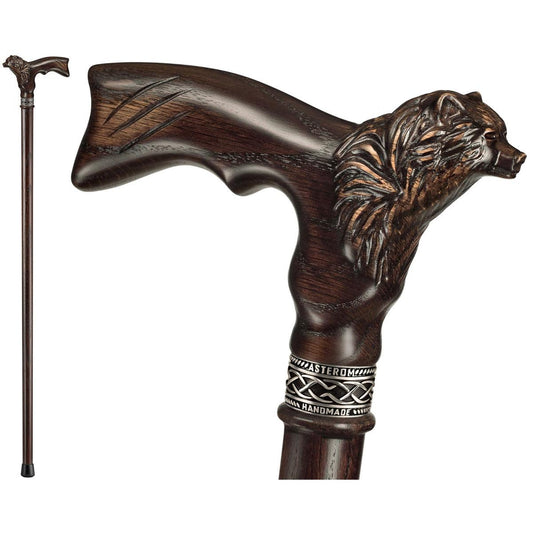
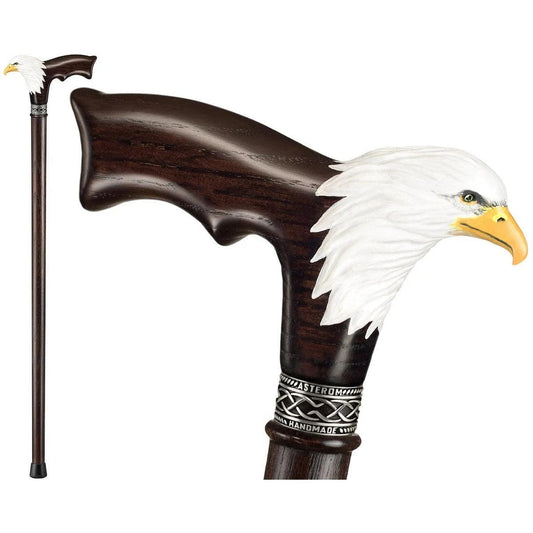
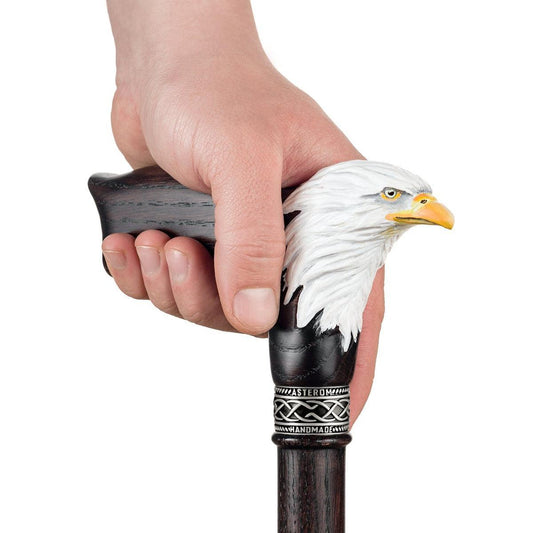
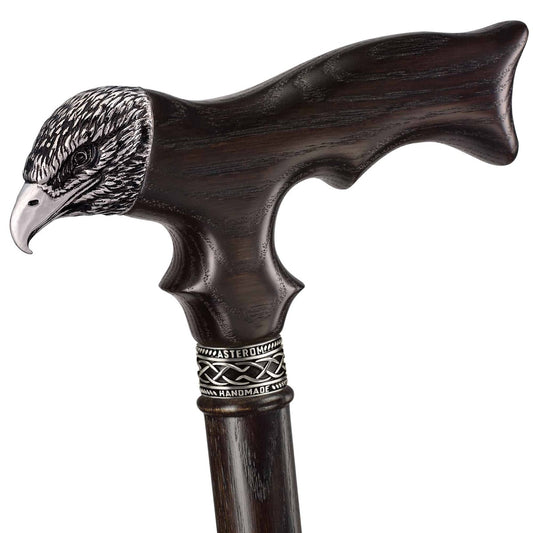
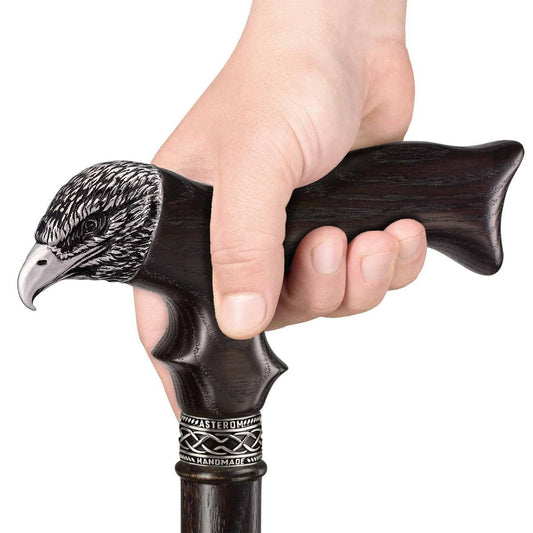
Animal-head handles became particularly admired, each carrying its own meaning. Lions symbolized courage and leadership. Eagles represented vision and patriotism. Horses reflected strength and nobility. Wolves suggested independence and resilience, while owls were associated with wisdom and learning. These symbolic designs allowed gentlemen to carry an accessory that quietly reflected their character without saying a word.
Others preferred understated elegance. A beautifully polished oak or ebony cane with clean lines and flawless craftsmanship often conveyed greater confidence than an overly ornate design. In many social circles, restraint itself became a mark of sophistication.
The choice of materials also carried significance. Exotic woods imported from Africa, Asia, and South America became highly desirable among Europe's upper classes. Dense hardwoods offered exceptional durability while displaying unique grain patterns and rich natural colors. Decorative collars crafted from silver or brass added further refinement, while hand-engraved details elevated each cane into a functional work of art.
The Craftsmanship Behind Every Cane
The popularity of gentleman's canes fueled an extraordinary level of craftsmanship. Across Europe, specialist workshops emerged that focused entirely on producing walking sticks of exceptional quality. These artisans often spent decades perfecting their trade, passing techniques from one generation to the next.
Selecting the right piece of timber was only the beginning. Master craftsmen carefully examined each piece of wood for strength, straightness, and grain before shaping it by hand. The shaft was gradually tapered for both beauty and balance before being sanded repeatedly to produce a perfectly smooth finish.

Master cane makers often devoted decades to perfecting their craft, carefully hand carving each handle, selecting premium hardwoods, and shaping every walking cane into a functional work of art that could be admired and passed down for generations.
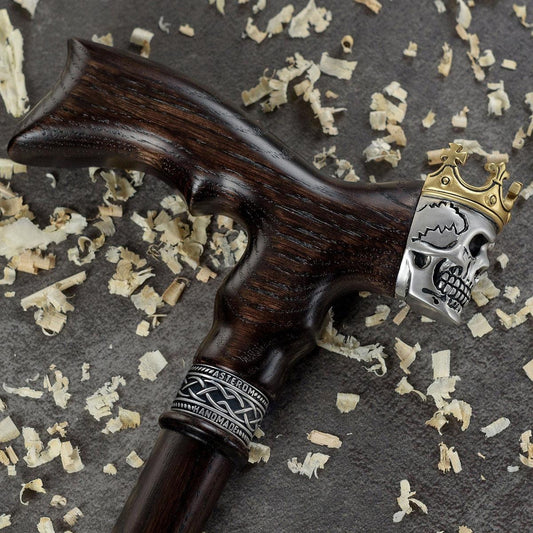
Decorative handles required even greater skill. Brass and silver components were cast, engraved, and polished by hand. Wooden animal heads were patiently carved using chisels and knives before being stained or finished to highlight every detail. No two handcrafted canes were ever completely identical, making each one unique.
This dedication to craftsmanship transformed the walking cane into something far more valuable than an everyday accessory. It became an heirloom—an object that could be passed from father to son, carrying with it stories, traditions, and family history.
The Cane in Everyday Society
By the eighteenth century, the gentleman's walking cane had become an accepted part of daily life. It accompanied businessmen through crowded city streets, merchants to important meetings, military officers during inspections, and landowners while walking their estates.
Morning walks through London's parks or Parisian boulevards became opportunities to socialize and demonstrate one's sense of style. During these leisurely strolls, a gentleman's cane often served as a subtle conversation piece. Fellow gentlemen admired unusual woods, intricate carvings, or finely crafted handles, much as people today might admire an elegant wristwatch or luxury automobile.
The cane also reflected changing ideals of masculinity. Rather than emphasizing physical dominance, the well-dressed gentleman was expected to display composure, confidence, courtesy, and self-discipline. Carrying a beautifully made walking cane reinforced these qualities. It suggested that its owner valued education, refinement, and good manners as much as wealth.
A Symbol Recognized Around the World
As European exploration and trade expanded, so too did the popularity of gentleman's walking canes. Diplomats, merchants, military officers, and travelers carried their canes across continents, introducing European styles to North America, Asia, and other parts of the world.
International trade also introduced exciting new materials. Rare hardwoods, decorative metals, and exotic carving styles inspired craftsmen to create increasingly distinctive designs. Every generation added new influences while preserving the timeless elegance that had made the gentleman's cane so admired.
By the close of the eighteenth century, the walking cane had firmly established itself as one of the defining accessories of a well-dressed gentleman. It represented achievement without arrogance, confidence without aggression, and sophistication without extravagance. More importantly, it demonstrated an appreciation for exceptional craftsmanship—something that has remained at the heart of fine walking canes ever since.
The nineteenth century would elevate this tradition even further. During the Victorian era, the gentleman's cane would reach the height of its popularity, becoming not merely a fashionable accessory but an essential part of respectable society. It was an era in which no distinguished gentleman considered himself fully dressed without one.
The Victorian Golden Age of the Gentleman's Cane
By the time Queen Victoria ascended the British throne in 1837, the walking cane had already established itself as a respected symbol of refinement. Over the next six decades, however, it would reach heights of popularity never seen before or since. The Victorian era transformed the gentleman's cane from an elegant accessory into an essential part of everyday life, making it one of the defining symbols of respectable society.

During the Victorian era, a finely crafted walking cane became an essential part of a gentleman's attire, reflecting confidence, refinement, and the quiet dignity expected of respectable society.
Victorian Britain was a world that placed enormous importance on appearance, etiquette, and social standing. A gentleman was expected to present himself with dignity in every aspect of his life, from the quality of his tailoring to the polish on his boots. Every accessory was carefully chosen to reflect character, education, and success. The walking cane became one of the most visible expressions of these ideals.
Stepping into London's fashionable districts during the mid-to-late nineteenth century, it would have been difficult to find a gentleman without a cane in hand. Businessmen carried them while commuting through the city. Barristers walked with them to court. Doctors, professors, military officers, politicians, and wealthy industrialists all regarded the walking cane as part of proper dress. It completed an outfit with the same importance that a pocket watch or silk top hat once held.
Unlike modern accessories that often follow short-lived trends, Victorian canes were built to last a lifetime. They were designed not only to serve a practical purpose but also to become treasured possessions. Many were eventually passed down through generations as family heirlooms, carrying both sentimental and historical value.
Owning More Than One Cane
For affluent gentlemen, owning a single walking cane was rarely enough. Much like today's wardrobes include different shoes or jackets for different occasions, Victorian gentlemen often maintained collections of canes suited to specific settings.
A simple hardwood cane might accompany a morning walk through Hyde Park, while an elaborately carved cane with a silver handle would be reserved for formal dinners or evenings at the theatre. Travel canes were built for durability, country walking sticks emphasized strength, and ceremonial canes reflected elegance and prestige.
This variety encouraged remarkable innovation among craftsmen. Workshops competed to create increasingly beautiful designs, experimenting with exotic hardwoods, intricate carvings, decorative collars, and luxurious handle materials. Walking canes became expressions of artistry as much as personal accessories.

Affluent Victorian gentlemen often maintained collections of handcrafted walking canes, selecting different designs to complement formal occasions, country walks, business meetings, and everyday social life.
Extraordinary Craftsmanship
The Victorian era is often remembered as the golden age of craftsmanship, and walking canes were no exception. Every stage of production reflected meticulous attention to detail.
Artisans carefully selected premium woods for their strength, beauty, and distinctive grain patterns. Oak remained a favorite because of its durability and timeless appearance, while ebony, rosewood, walnut, and imported tropical hardwoods became increasingly desirable among wealthy collectors.
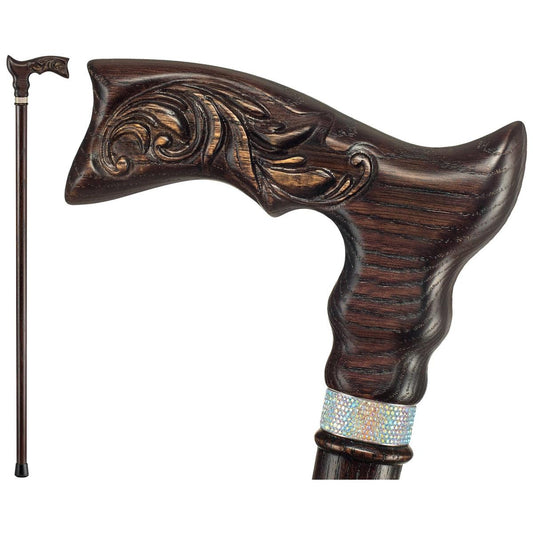
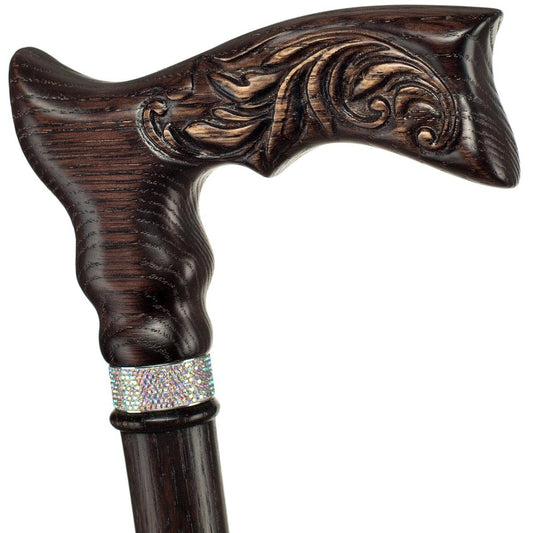
Handles offered even greater opportunities for artistic expression. Skilled metalworkers produced elegant brass and sterling silver handles, while woodcarvers transformed solid blocks of hardwood into remarkably lifelike animals, mythical creatures, birds, and decorative scrollwork. Many handles featured intricate engraving or repoussé work, making each cane a unique piece of functional art.
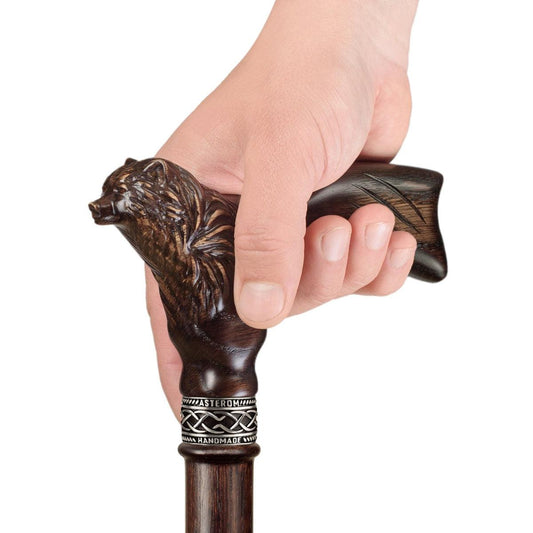
The finest craftsmen understood that a gentleman's cane needed to feel perfectly balanced in the hand. Weight, proportions, grip, and finish all contributed to an accessory that was as comfortable to carry as it was beautiful to admire.
The Rise of Novelty and Hidden Canes
Victorian ingenuity extended beyond appearance. During the nineteenth century, craftsmen developed an astonishing variety of specialty canes that concealed useful tools and clever mechanisms.
Some walking canes contained telescopes for sightseeing, while others concealed compasses, measuring devices, flasks, musical instruments, or small storage compartments. Travelers appreciated canes that could assist during long journeys, while collectors admired the remarkable engineering required to hide such features inside an elegant wooden shaft.

Victorian novelty canes combined elegant craftsmanship with ingenious hidden features, concealing items such as telescopes, document tubes, flasks, and other practical accessories within beautifully crafted walking canes.
These novelty canes became highly sought after by wealthy gentlemen who appreciated both innovation and conversation pieces. Carrying an unusual cane often reflected curiosity, education, and an appreciation for mechanical craftsmanship.
Although many of these elaborate designs were produced in limited numbers, they demonstrated how important walking canes had become within Victorian society. They were no longer viewed merely as practical accessories but as opportunities for artistic and technical excellence.
The Language of Cane Design
Victorian gentlemen understood that every detail of a cane communicated something about its owner. The choice of handle, wood, finish, and decoration often reflected personal values, achievements, or interests.
A lion's head symbolized courage, authority, and leadership. Eagles represented vision, patriotism, and strength. Horses conveyed nobility and endurance, while hunting dogs appealed to sportsmen and landowners. Botanical carvings celebrated an appreciation for nature, while Celtic-inspired designs reflected heritage and tradition.

Far more than decorative ornaments, carved cane handles allowed gentlemen to express their character, heritage, and values through symbols of courage, wisdom, nobility, strength, and independence.
Even today, these symbolic motifs remain popular because they allow owners to choose a cane that feels uniquely personal rather than purely functional.
The Gentleman Never Left Home Without His Cane
Etiquette books published throughout the Victorian period frequently described the walking cane as an essential accessory for respectable gentlemen. Whether attending church, conducting business, visiting friends, or enjoying an afternoon promenade, a properly dressed gentleman was expected to carry himself with confidence and composure.
The cane complemented this image perfectly. It encouraged an upright posture, graceful movement, and measured gestures. Rather than swinging it carelessly, gentlemen carried their canes with quiet restraint, reflecting the discipline and manners that Victorian society admired.
Possessing a beautifully crafted cane also demonstrated respect for quality. It suggested that its owner valued fine workmanship and understood the difference between ordinary possessions and objects created by skilled artisans.
Famous Gentlemen Who Made the Cane Iconic
"Fashion is what one wears oneself. What is unfashionable is what other people wear."
— Oscar Wilde
Although the popularity of walking canes reached its peak during the Victorian era, many of history's most recognizable figures helped cement their place as enduring symbols of sophistication. Their canes became part of their public image, reinforcing the idea that a gentleman's walking stick represented far more than simple practicality.

Influential statesmen, authors, entertainers, and royalty helped transform the walking cane into an enduring symbol of confidence, refinement, and personal identity that continues to inspire collectors and gentlemen today.
Winston Churchill
British Prime Minister Winston Churchill was frequently photographed carrying a traditional walking stick throughout his later years. While it certainly offered practical support, it also reflected his unmistakable sense of dignity and classic British style. Churchill's cane became closely associated with resilience, determination, and steadfast leadership during one of history's most challenging periods.
Mark Twain
One of America's greatest authors, Mark Twain, was rarely seen without a walking stick during his later life. Known for his wit and keen observations of society, Twain appreciated handcrafted objects that possessed both character and utility. His walking stick complemented his distinctive white suit and gentlemanly appearance, becoming an instantly recognizable part of his public persona.
Oscar Wilde
No discussion of fashionable gentlemen would be complete without Oscar Wilde. Famous for his impeccable dress and appreciation of beauty, Wilde viewed clothing and accessories as forms of artistic expression. Elegant walking canes naturally became part of the sophisticated image he carefully cultivated throughout Victorian society.
Charlie Chaplin
Although Charlie Chaplin's famous bamboo cane belonged to the early twentieth century rather than the Victorian era itself, it demonstrated how deeply the gentleman's walking cane had become woven into popular culture. Chaplin transformed a simple cane into one of cinema's most recognizable props, using it with remarkable grace, humor, and elegance. Even audiences who had never carried a walking cane understood what it represented: refinement, charm, and timeless style.
A Lasting Legacy
Fashion trends have come and gone, yet the gentleman's cane has never entirely disappeared. While fewer people carry one purely as a fashion statement today, the values it has long represented remain remarkably relevant. Confidence, craftsmanship, individuality, and timeless style never truly go out of fashion.
Modern handcrafted walking canes continue this centuries-old tradition. Whether chosen for everyday support, personal expression, or admiration of fine woodworking, they connect their owners to a rich history that stretches from royal courts and Victorian boulevards to today's appreciation for authentic craftsmanship.
Far more than an accessory, the gentleman's cane remains a symbol of character. It tells a story of artistry, heritage, and quiet confidence—qualities that continue to define exceptional walking canes today.
The Art of Cane Craftsmanship
"Have nothing in your houses that you do not know to be useful, or believe to be beautiful."
— William Morris

Creating a handcrafted walking cane is a meticulous process that combines premium hardwoods, traditional woodworking techniques, artistic carving, careful finishing, and rigorous inspection to produce a piece that is both functional and enduring.
While styles and fashions have changed dramatically over the centuries, one aspect of the gentleman's cane has remained remarkably consistent: exceptional craftsmanship. Long before factories produced goods on assembly lines, every quality walking cane began in the hands of a skilled artisan. From selecting the perfect piece of timber to carving intricate handles and applying the final finish, creating a fine cane required patience, precision, and years of experience.
Unlike mass-produced accessories, handcrafted walking canes possess character. Every piece of wood has its own grain, texture, and natural beauty. Master craftsmen work with these characteristics rather than against them, allowing the wood itself to influence the finished design. The result is a walking cane that feels unique because it truly is.
Hardwoods have long been the preferred choice for quality walking canes due to their strength, durability, and attractive appearance. Oak, in particular, has earned a reputation as one of the finest materials for handcrafted canes. Its dense grain provides exceptional strength while showcasing a timeless beauty that improves with age.
The process extends far beyond shaping the shaft. Handles must fit comfortably in the hand while maintaining perfect balance with the rest of the cane. Decorative collars, brass accents, carved animal heads, and polished finishes all require individual attention. A truly well-made walking cane is the result of countless small decisions, each contributing to the finished piece.
This commitment to craftsmanship explains why quality walking canes often become treasured possessions rather than disposable items. They are built to accompany their owners for years and, in many cases, become family heirlooms passed from one generation to the next.
The Etiquette of Carrying a Gentleman's Cane
During the eighteenth and nineteenth centuries, carrying a walking cane involved more than simply holding it while walking. Gentlemen were expected to understand the etiquette surrounding its use, just as they were expected to know proper table manners or formal introductions.
A gentleman carried his cane with quiet confidence rather than drawing unnecessary attention to it. It was considered poor manners to swing a cane carelessly, point it at others, or use it as a prop during conversation. Instead, the cane was carried naturally at one's side, complementing the gentleman's posture and movements.
When greeting friends or entering private homes, gentlemen often transferred the cane to the appropriate hand before offering a handshake. During formal occasions, the cane was treated with the same respect as a hat or gloves, becoming part of an overall appearance that reflected courtesy and refinement.
Walking with a companion also followed certain conventions. If escorting a lady, the gentleman typically positioned himself so that his cane did not interfere with her comfort or movement. These customs reflected the broader emphasis Victorian society placed on consideration and good manners.
Although modern etiquette has become less formal, the underlying principles remain relevant today. Carrying a walking cane with confidence, respecting those around you, and appreciating the craftsmanship behind it continue to reflect the timeless qualities of a true gentleman.
The Modern Revival of the Gentleman's Cane
"The true secret of happiness lies in taking a genuine interest in all the details of daily life."
— William Morris
During much of the twentieth century, fashion shifted toward practicality and minimalism. Hats became less common, pocket watches gave way to wristwatches, and many traditional accessories gradually disappeared from everyday life. The gentleman's cane experienced a similar decline as changing lifestyles reduced its role as a fashionable accessory.
Yet something interesting has happened over the past several decades.
People have begun rediscovering the value of handcrafted goods. In an age dominated by disposable products and mass production, there is growing appreciation for objects made by skilled hands using traditional techniques. Handmade furniture, mechanical watches, leather goods, and artisan knives have all experienced renewed popularity. Walking canes are no exception.
Today's gentlemen appreciate authenticity. Rather than purchasing generic products that look identical to thousands of others, many seek items with history, character, and individuality. A handcrafted walking cane offers exactly that.
For some owners, a cane provides welcome balance assistance while allowing them to express their personal style. Others collect walking canes because they admire woodworking, historical craftsmanship, or symbolic carving. Some choose a cane simply because it reflects their appreciation for timeless design.
What unites these individuals is an understanding that a walking cane represents more than function. It represents heritage, craftsmanship, and confidence.
Choosing a Cane That Reflects Your Personality

For centuries, gentlemen have selected walking canes that reflected their personality, values, and sense of style. Whether inspired by strength, wisdom, tradition, or quiet elegance, the right cane becomes a personal expression of character as much as a practical companion.
One of the enduring traditions surrounding gentleman's canes is selecting a design that reflects one's personality or values. This practice dates back hundreds of years, when symbolic carvings quietly communicated aspects of the owner's character.
Today, that tradition remains just as meaningful.
A lion-head cane often represents courage, leadership, and confidence. Eagle designs appeal to those who value freedom, vision, and strength. Wolves symbolize independence and loyalty, while horses are frequently associated with endurance, nobility, and determination.
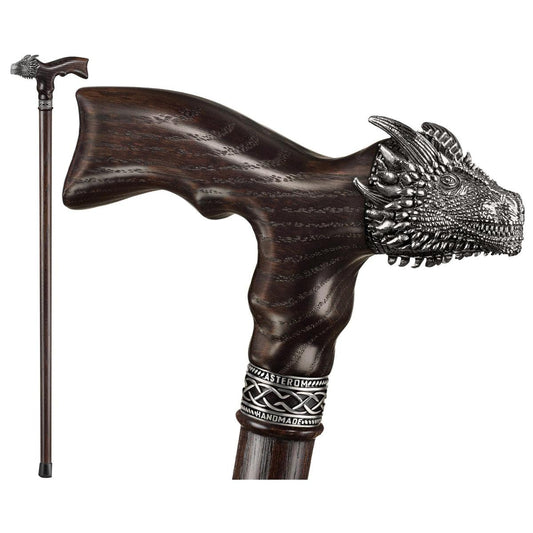
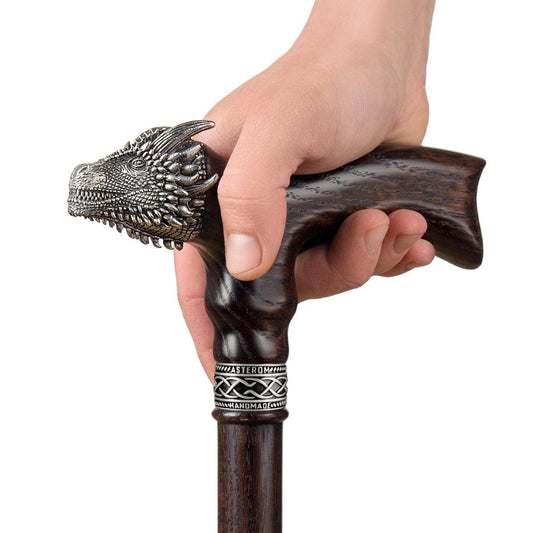
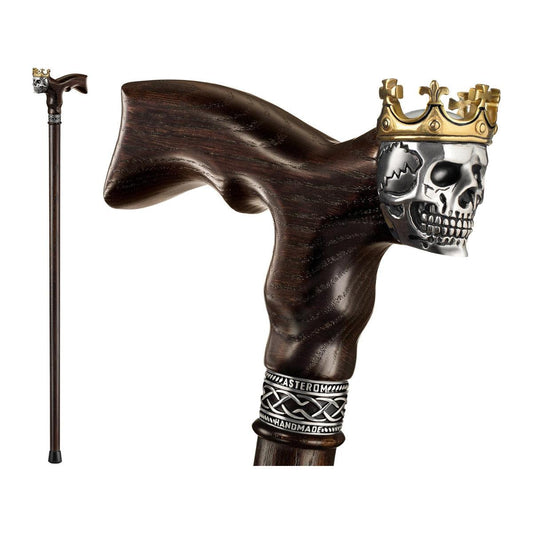
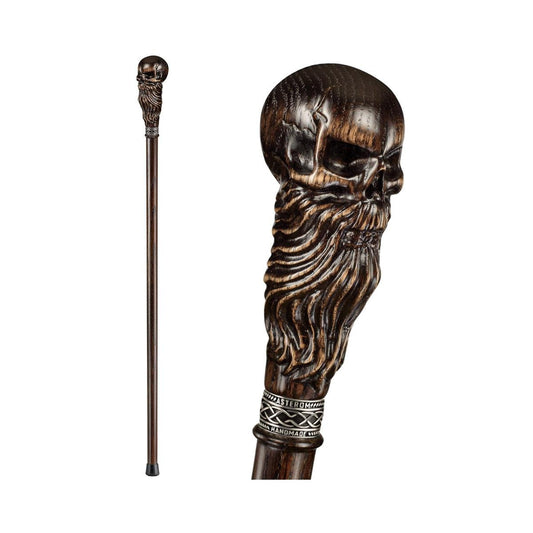
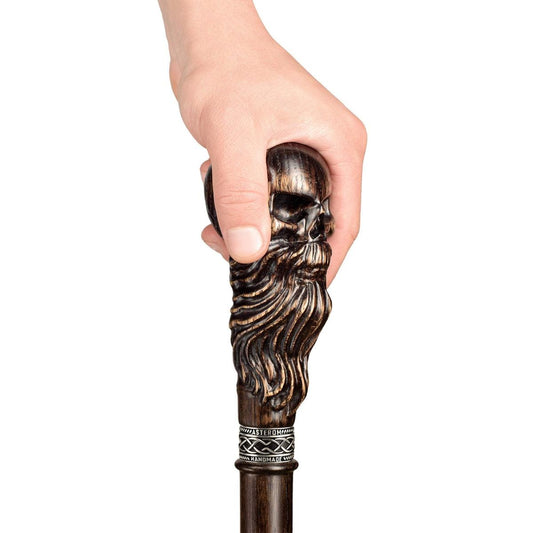
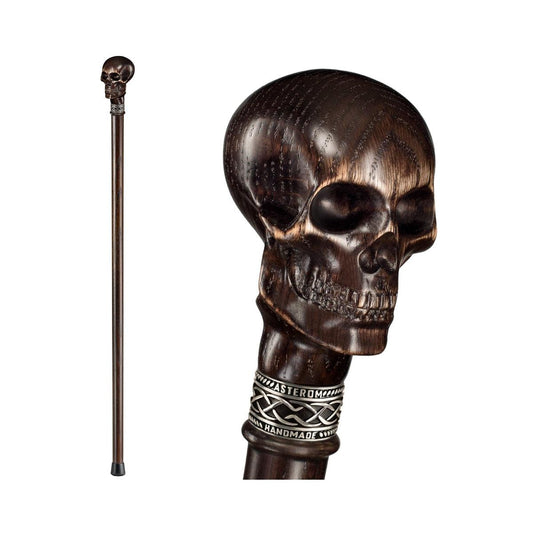
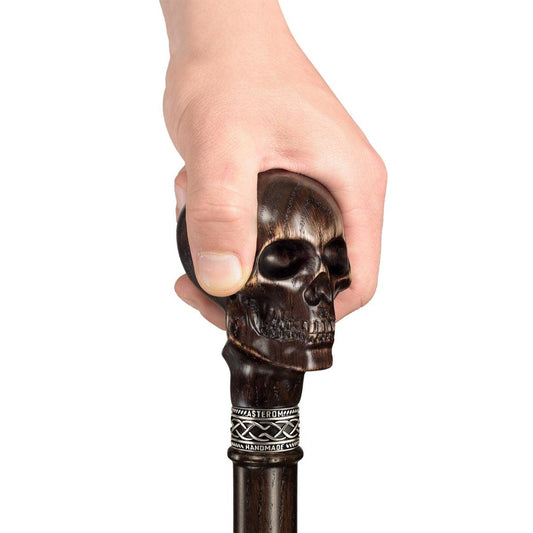
Celtic-inspired canes celebrate heritage and tradition, while dragon carvings evoke imagination, wisdom, and ancient mythology. Skull designs have become popular among collectors who appreciate Gothic artistry and bold individuality.
Even simple knob-handled canes possess their own quiet elegance. Their understated appearance reflects the belief that true quality does not need excessive decoration to be admired.
Ultimately, choosing a walking cane is a deeply personal decision. The finest canes are not merely selected because they are attractive—they are chosen because they resonate with the person carrying them.
Why Handmade Canes Still Matter
In today's world, nearly everything can be manufactured quickly and inexpensively. Computers control machinery with remarkable precision, allowing thousands of identical products to be produced every day.
Handcrafted walking canes represent a different philosophy.
Each handmade cane requires time, patience, and attention to detail that cannot be replicated by automated production alone. The subtle variations in wood grain, the careful shaping of the handle, and the final hand-applied finish ensure that every cane possesses its own character.
For many owners, this individuality is precisely what makes handcrafted canes so meaningful. They appreciate owning something created by skilled artisans rather than machines—an object that reflects centuries of woodworking tradition.
This appreciation for craftsmanship connects modern owners with generations of gentlemen who valued quality above convenience. While the world continues to evolve, exceptional craftsmanship remains timeless.

More than a walking aid, a finely handcrafted cane represents centuries of tradition, craftsmanship, and personal character—an enduring symbol of gentlemanly style that continues to be appreciated around the world.
Conclusion
"Quality is never an accident; it is always the result of intelligent effort."
— John Ruskin
Few accessories have experienced a history as rich and fascinating as the gentleman's walking cane. From the ceremonial staffs of ancient civilizations to the elegant promenades of Victorian London, the walking cane has evolved alongside humanity itself.
For centuries, it represented much more than practical support. It symbolized wisdom, authority, refinement, prosperity, and an appreciation for exceptional craftsmanship. Kings carried them. Scholars relied upon them. Military officers, businessmen, politicians, artists, and gentlemen throughout history all understood that a finely crafted cane reflected character as much as appearance.
Although modern life has changed dramatically, these values continue to resonate today. A handcrafted walking cane remains one of the few accessories capable of combining function, artistry, history, and individuality in a single object.
Whether chosen for everyday use, personal style, or admiration of traditional craftsmanship, the gentleman's cane continues a legacy that spans thousands of years. It reminds us that true elegance is never defined by passing fashion but by enduring quality, thoughtful design, and quiet confidence.
In many ways, the gentleman's cane has never gone out of style. It has simply waited for a new generation to rediscover what previous generations always understood—that some traditions are timeless.
At Stick Your Cane, we continue that tradition by offering handcrafted wooden walking canes inspired by centuries of craftsmanship, designed for those who appreciate timeless quality and enduring style.
Frequently Asked Questions
Why did gentlemen carry walking canes?
Historically, gentlemen carried walking canes for a combination of practical and social reasons. While they provided support during long walks over uneven streets, they also became symbols of refinement, education, prosperity, and personal style. By the eighteenth and nineteenth centuries, carrying a quality walking cane was considered an important part of a well-dressed gentleman's appearance.
When did walking canes become fashionable?
Walking canes became fashionable during the seventeenth century as swords gradually disappeared from everyday civilian dress. Their popularity continued to grow throughout the eighteenth century and reached its peak during the Victorian era, when they became one of the defining accessories of respectable gentlemen.
Were walking canes considered a symbol of wealth?
Yes. Finely crafted walking canes often reflected the owner's social standing. Wealthy gentlemen commissioned canes made from premium hardwoods and decorated with silver, brass, carved animal heads, or other artistic details. The quality of the craftsmanship frequently indicated the owner's appreciation for luxury and fine workmanship.
Did every Victorian gentleman own a walking cane?
While not every man carried one, walking canes were extremely common among professionals, businessmen, landowners, military officers, and members of the upper and middle classes. Many affluent gentlemen owned several canes for different occasions, just as people today own multiple pairs of shoes or jackets.
What woods are best for handcrafted walking canes?
Hardwoods such as oak, walnut, ebony, ash, and rosewood have long been favored because of their strength, durability, and natural beauty. Oak remains one of the most popular choices due to its excellent balance of resilience, attractive grain, and timeless appearance.
Can younger people carry walking canes?
Absolutely. Throughout history, men of many different ages carried walking canes. Today, younger owners often appreciate handcrafted canes for their craftsmanship, symbolism, historical significance, or personal style, while others use them for light balance assistance or outdoor activities.
What makes a handcrafted walking cane different from a mass-produced cane?
Handcrafted walking canes are individually shaped, finished, and assembled by skilled artisans. Each piece of wood is unique, giving every cane its own appearance and character. Greater attention to detail, superior materials, and traditional craftsmanship often result in a product that offers both lasting durability and timeless beauty.
Why are handcrafted wooden walking canes still popular today?
Many people appreciate handcrafted walking canes because they combine function with artistry. In an age of mass production, a handmade cane represents quality, heritage, individuality, and a connection to centuries of craftsmanship. For many owners, it is far more than an everyday accessory—it is something to be admired, used, and passed on for generations.